Notes
Writing on product design, design leadership, and building with AI: hiring and evaluating AI product designers, what fractional leadership costs, AI patterns.

The changing economics of small software
An app earning a few hundred dollars a month was hardly worth building when it took a designer, a developer and months. Built by one person in a week, it can be a small business. What that changes about who builds software, how they decide, and how hard it gets to be found.
Seam carving in the browser
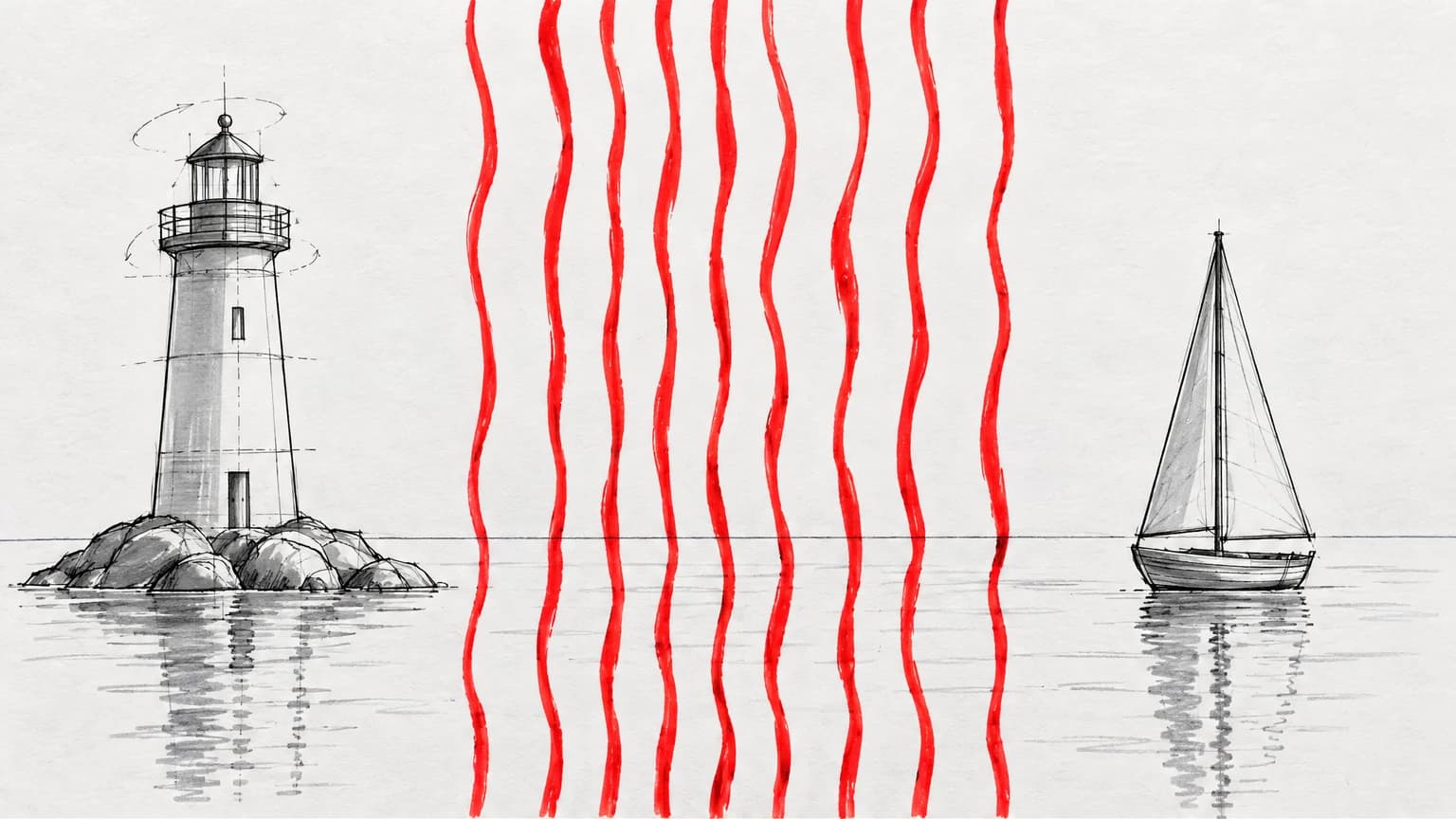
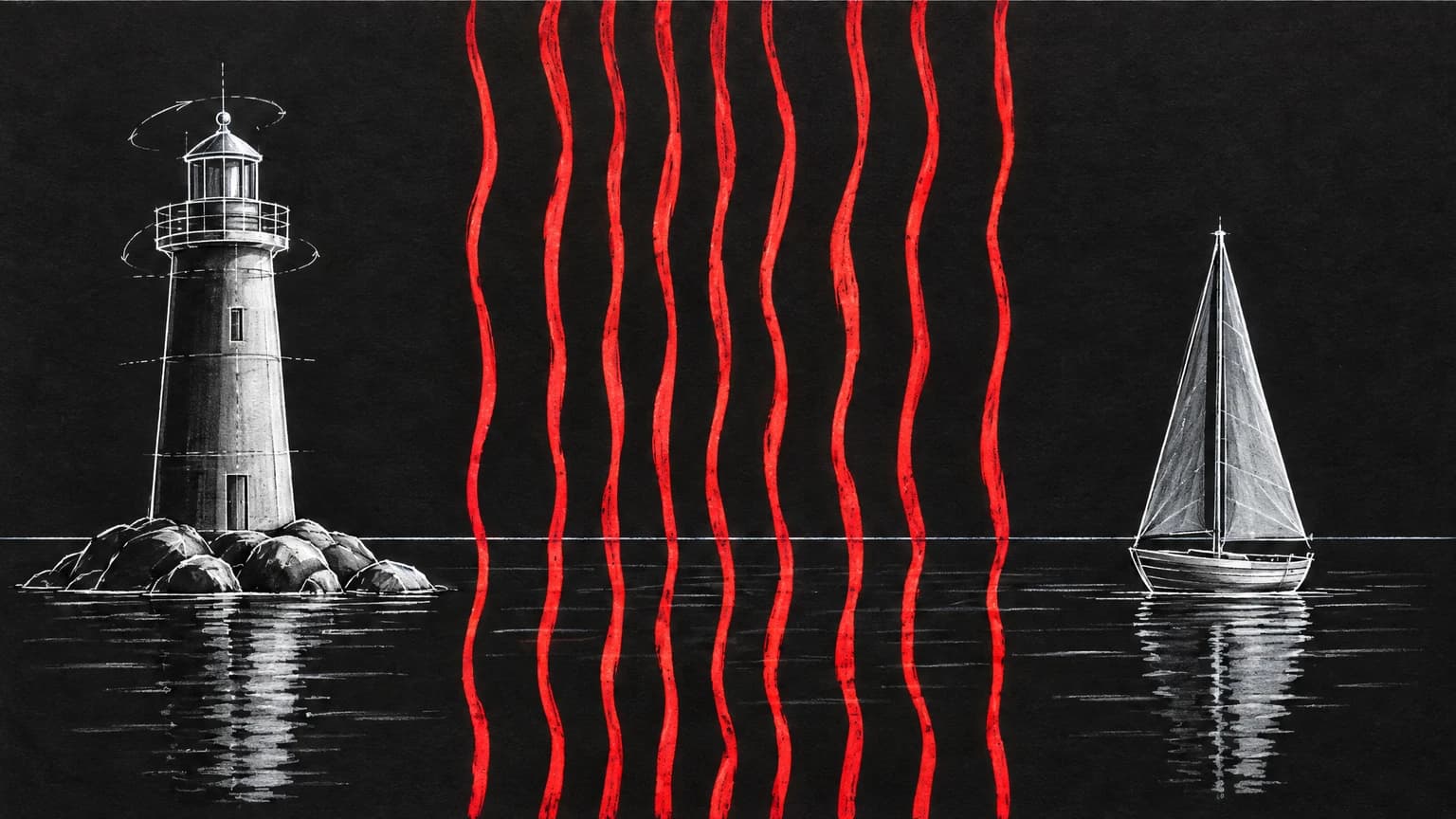
CSS can squash, crop or letterbox a picture, but it can't tell which pixels matter. Seam carving can, and there are three places to run it for a web page, each trading work before the page ships against work while it's open.
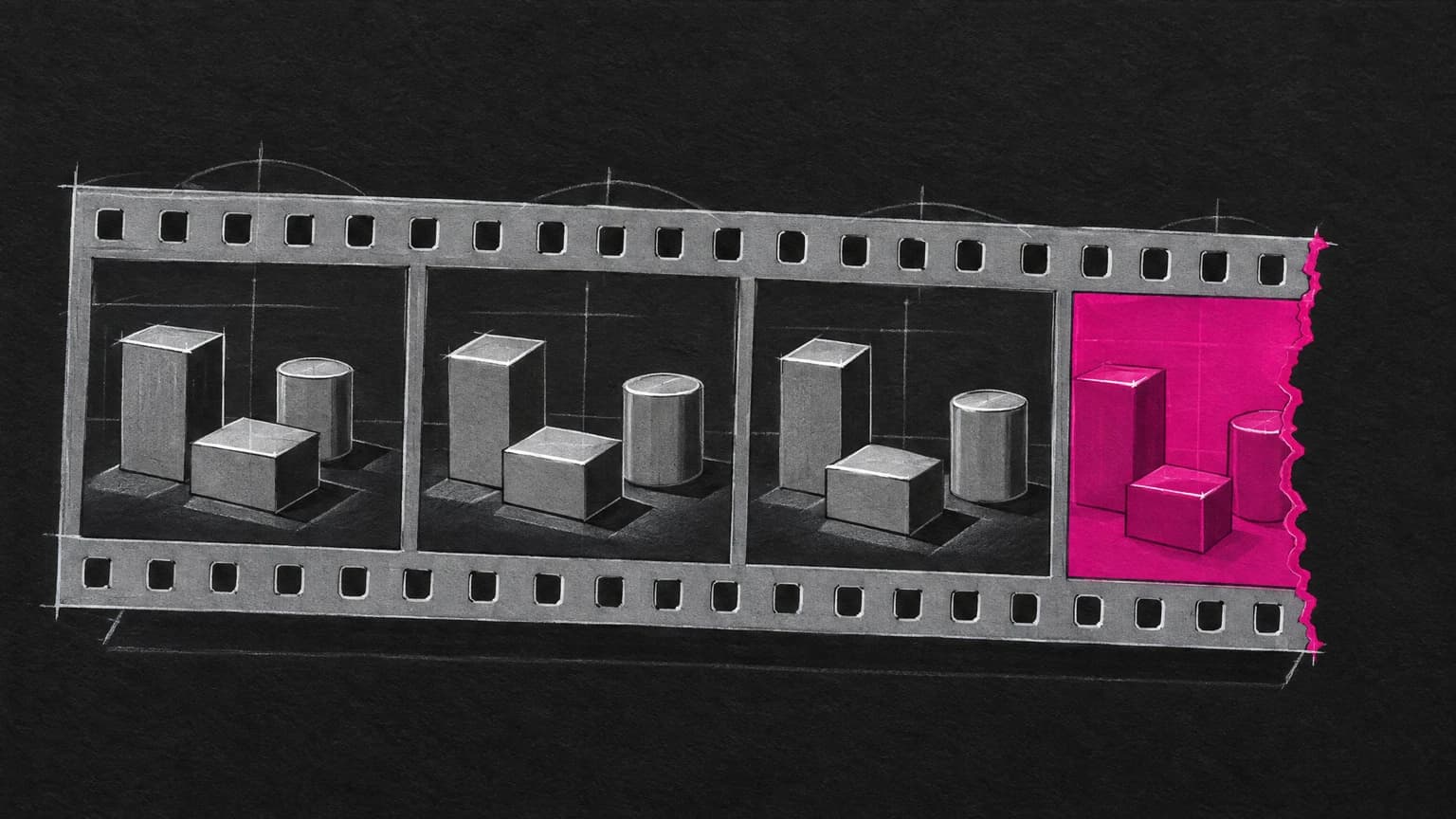
Recording a product demo with Claude
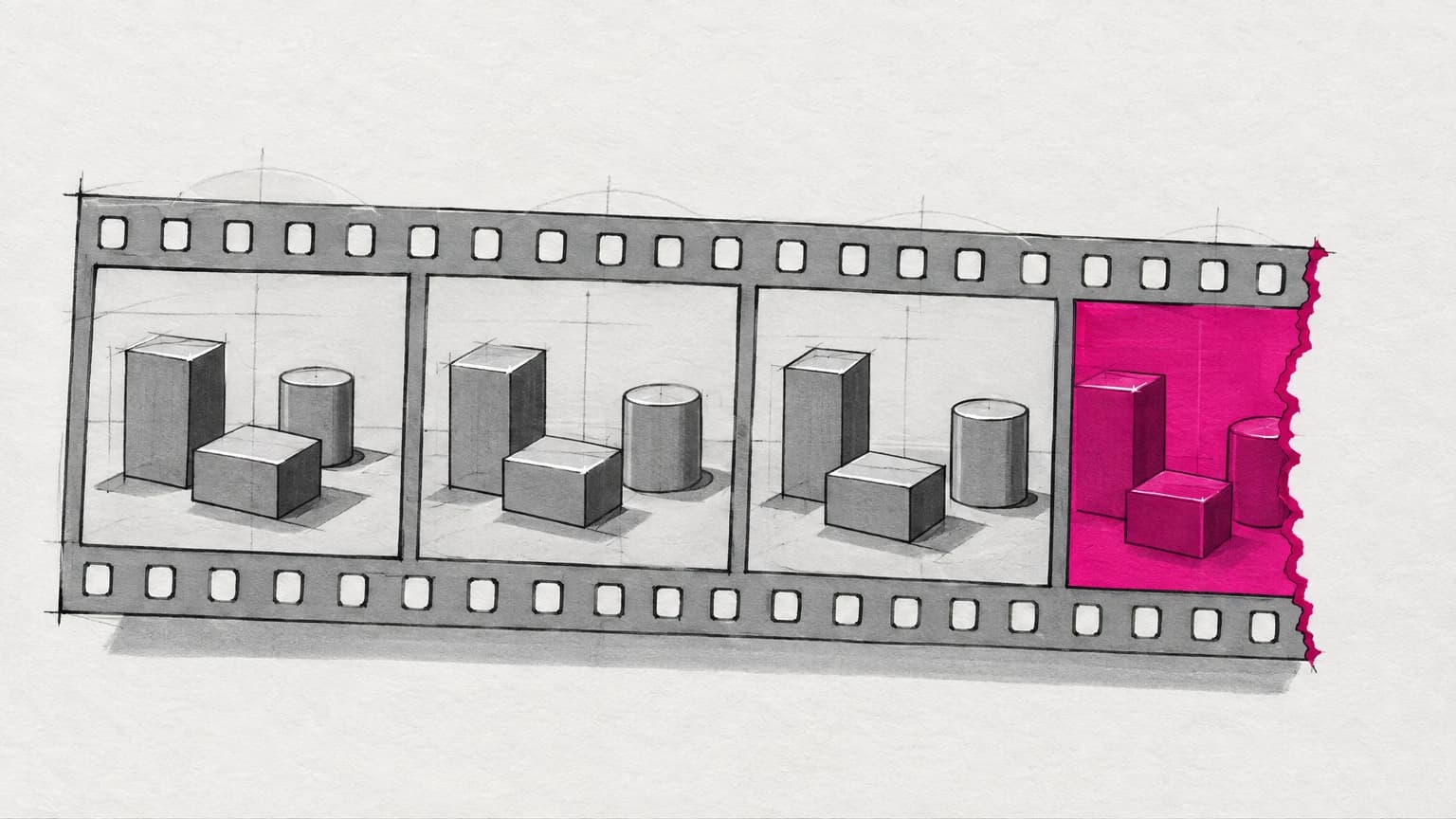
A demo video is the most trusted artefact a team ships and the only one nothing checks. Write it as a script whose every step declares what the screen should do, and a demo that has stopped being true fails instead of playing.
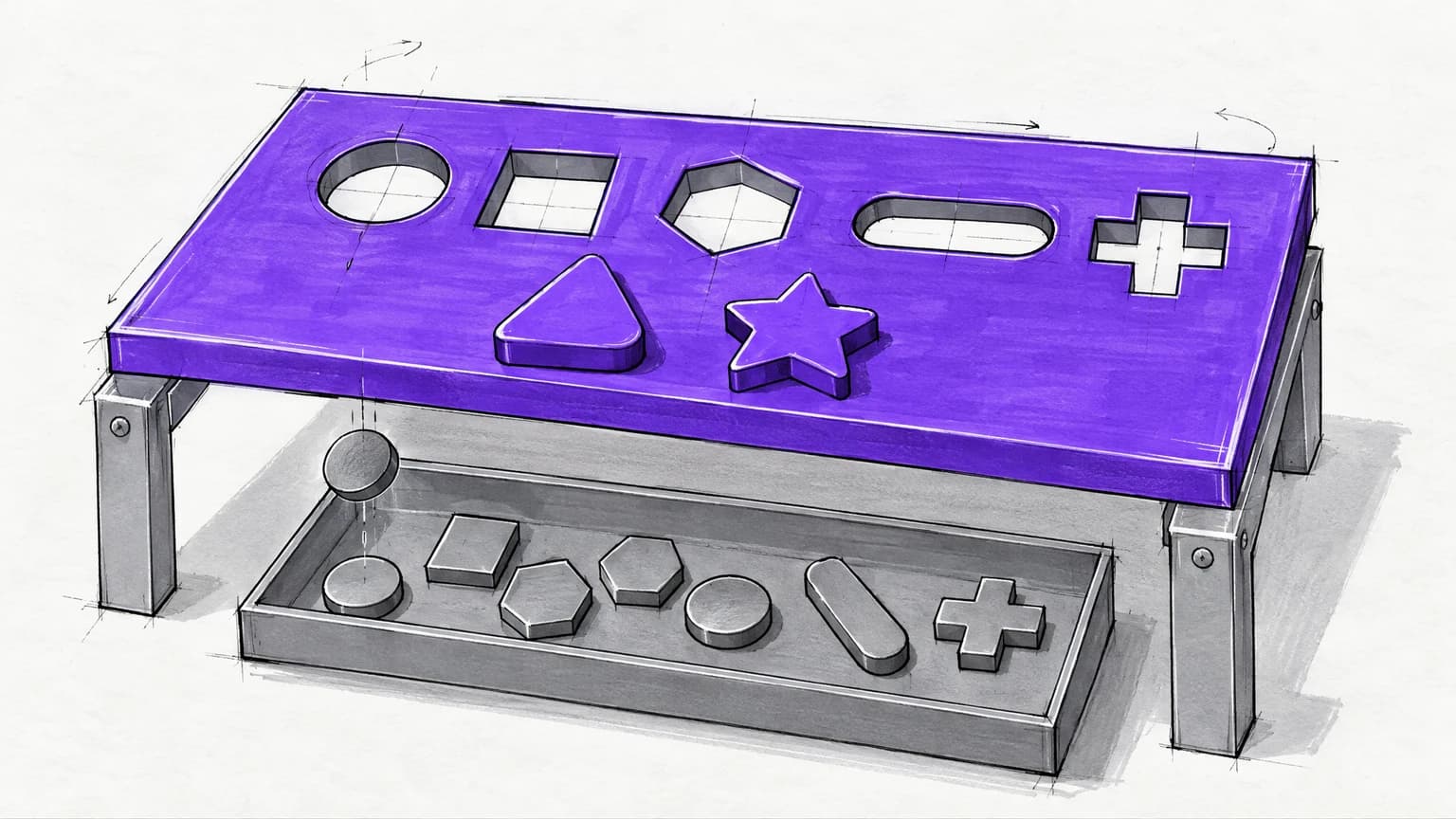
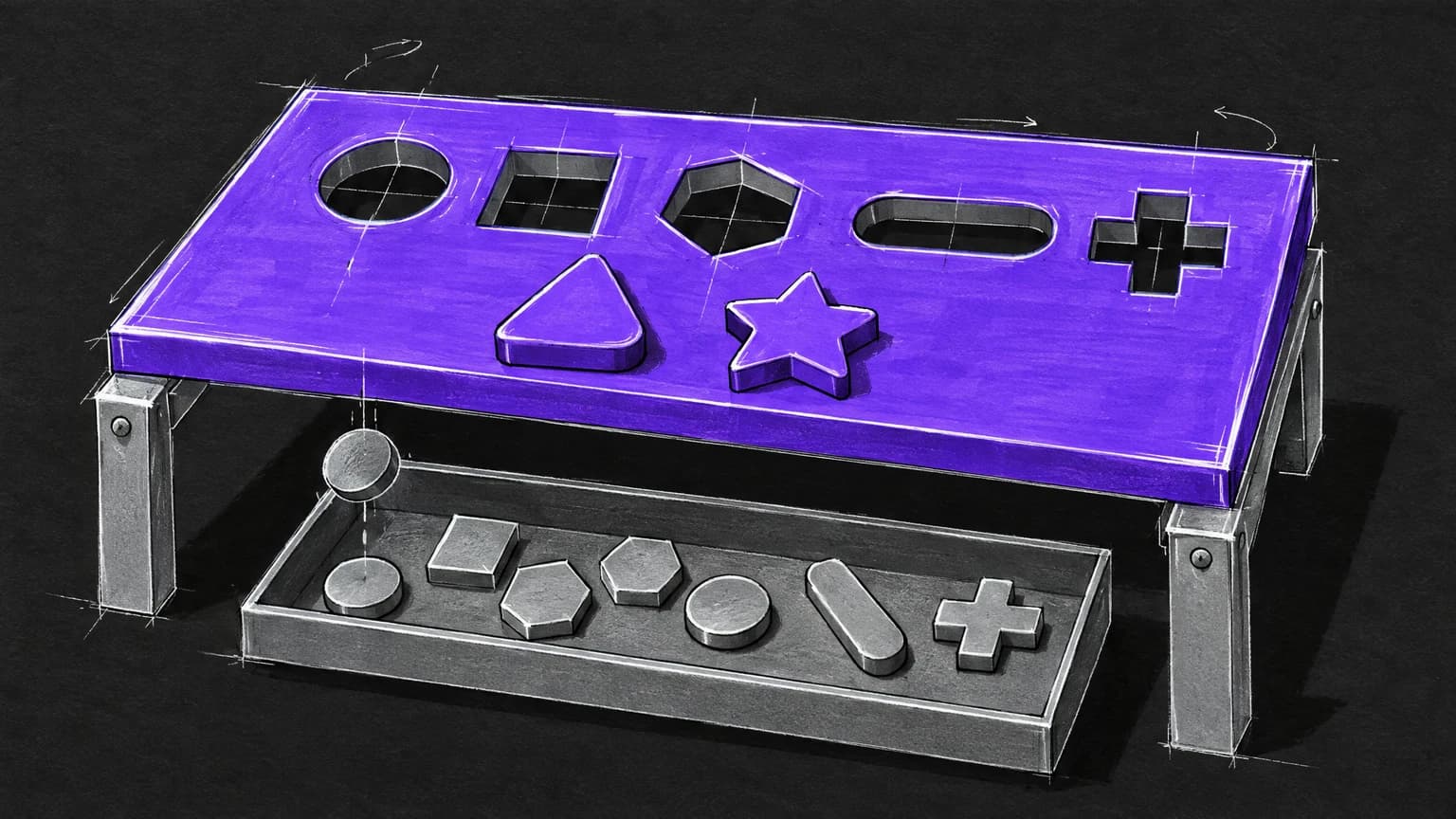
Checking a design system with Claude
Three numbers say whether a design system is real: names used, places that escape it, and escapes that render wrong. A model counts all three in minutes — but only exactly if the vocabulary is closed.
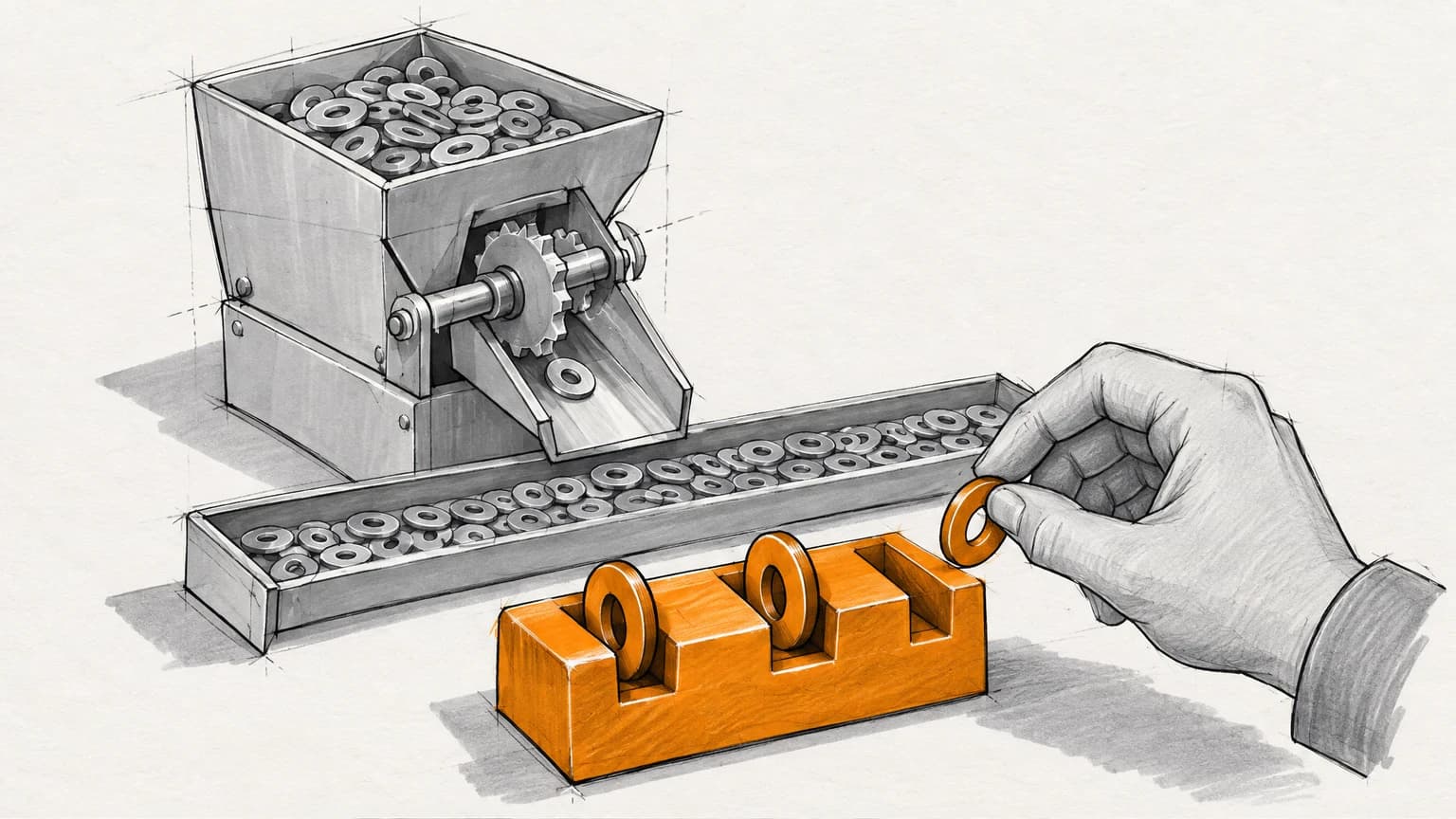
How I run a UX audit with Claude
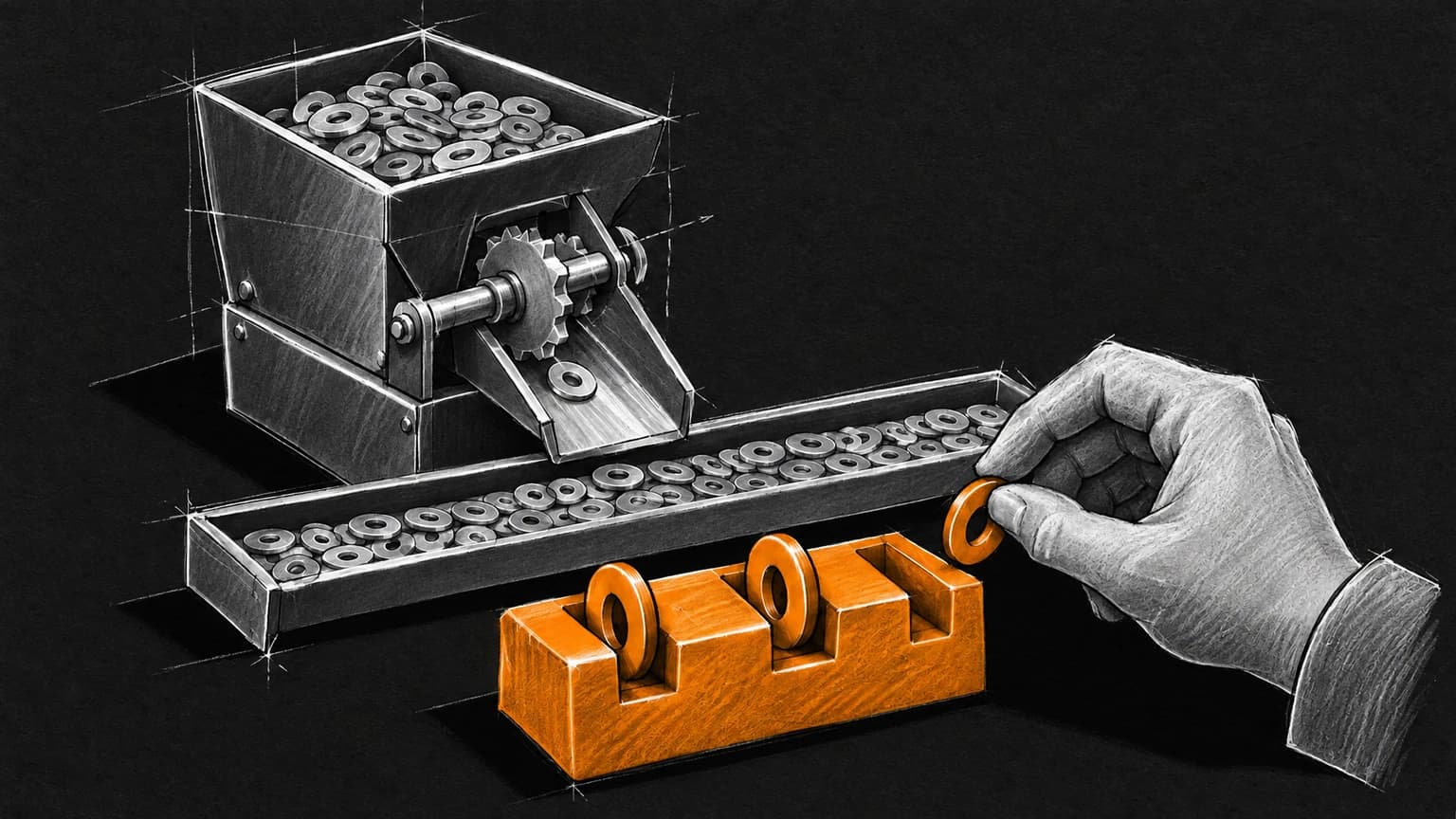
The model writes the scan, walks the flows and drafts the list. A person decides what is a defect and what to do first, and that order is the audit. The same scan run on this site a week apart: 247 findings, then 255, and the same single defect both times.
What a fractional design lead actually does
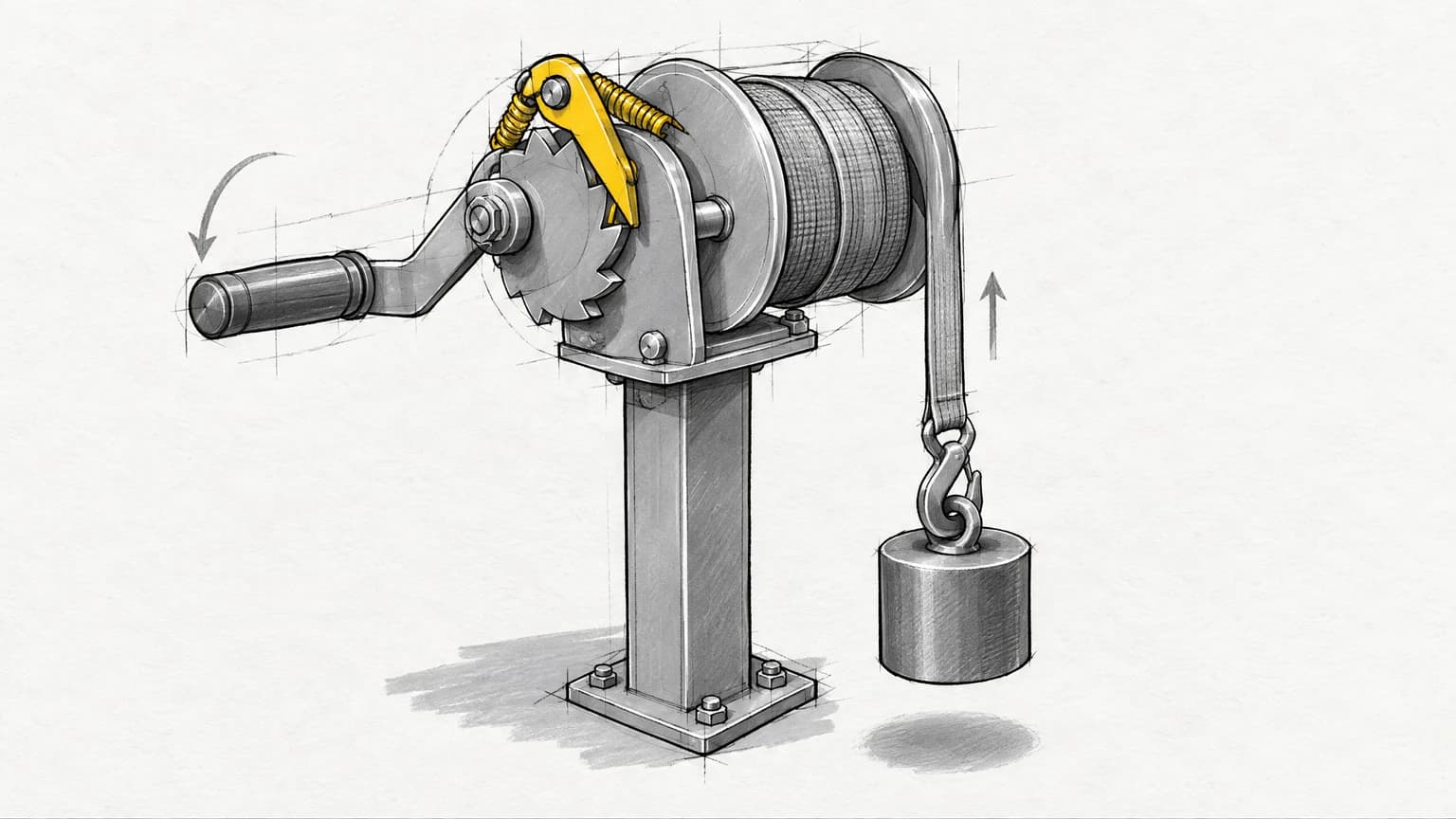
Fractional design leadership, defined: they own design direction and the definition of good, part-time, as a member of your team. What separates it from advice is delivery ownership — and there is one question that tells you which one a proposal is really selling.
When to hire your first design leader
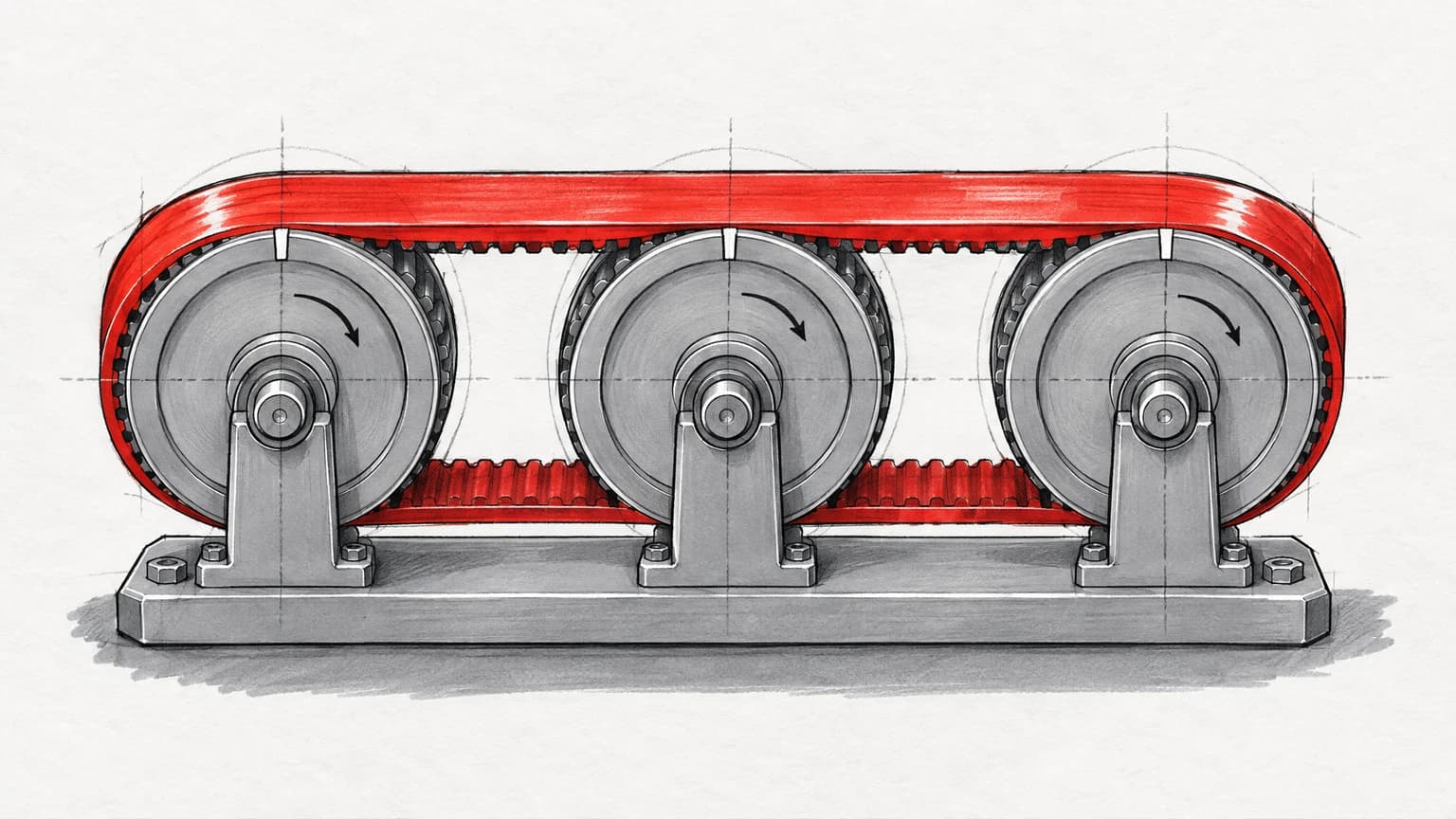
Hire when nobody owns the definition of good and it is costing you — usually at the third person who can independently decide. Two designers reconcile by talking; three cannot. Here are the two years you shouldn’t, and what being early costs.
What a design system audit costs, and what you get
Published UX audit prices run $1,000 to $75,000+ because “audit” is sold against three different products: a heuristic review, a research audit, and a design-system audit. Mine is $6k for a fixed two-to-three-week scope — and the counting is free, the sorting is what you pay for.
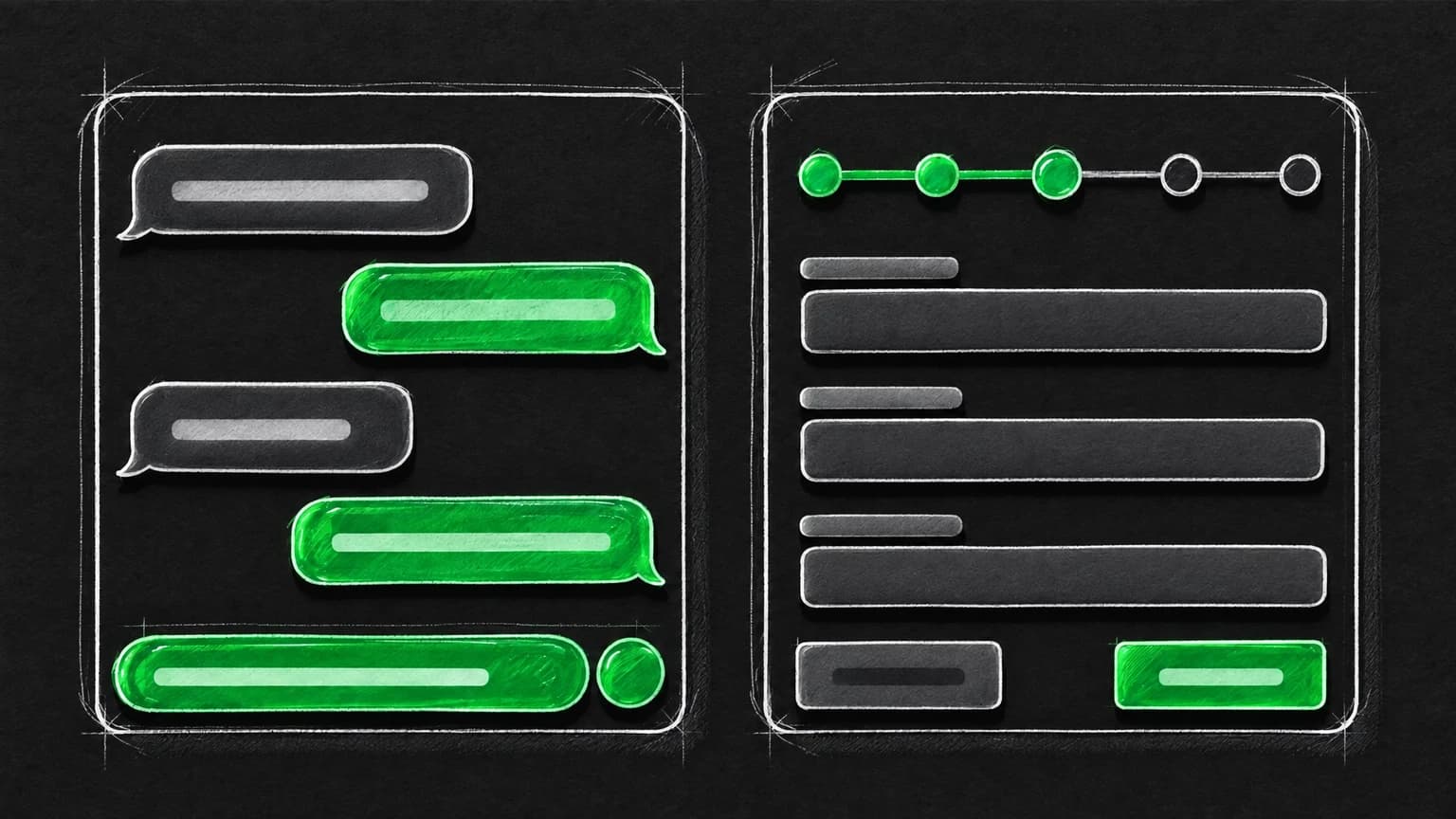
Wizard or conversation: when an agent shouldn't be a chat
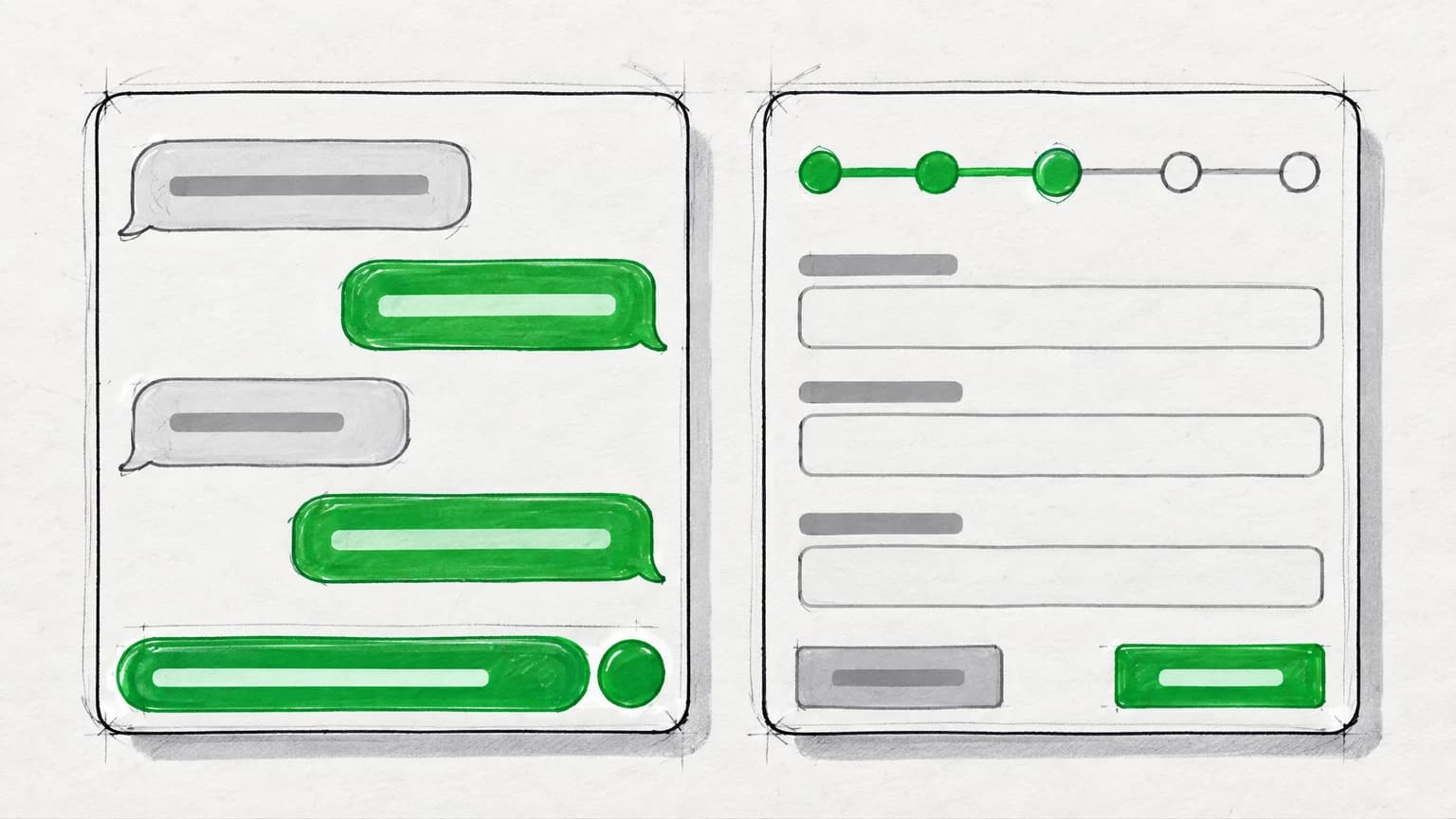
Use a conversation when you can't know what the user will ask for; use a structured flow when the required inputs are a list you could print. The version worth building is neither — an agent that fills the flow in and leaves the review step alone.
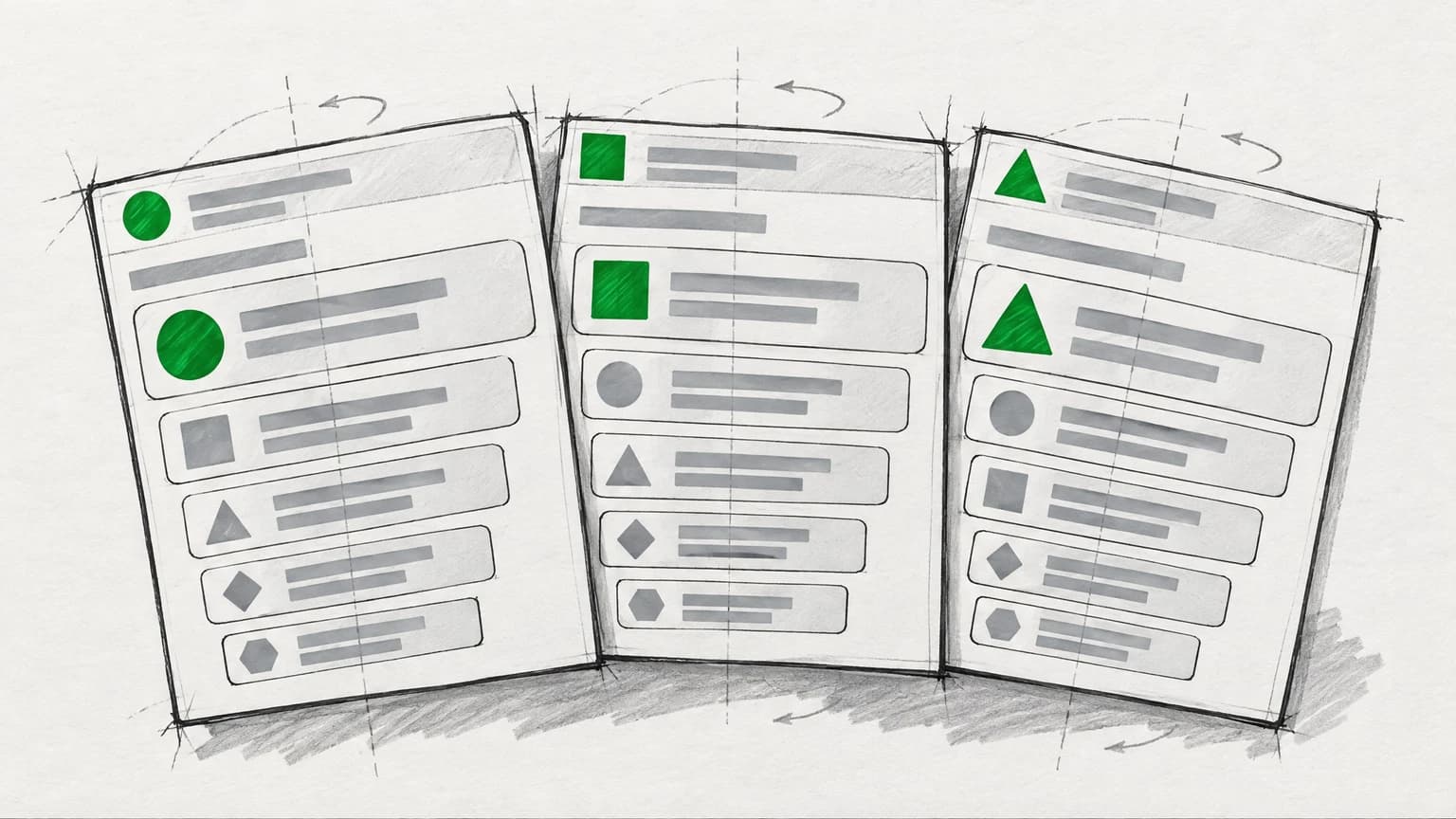
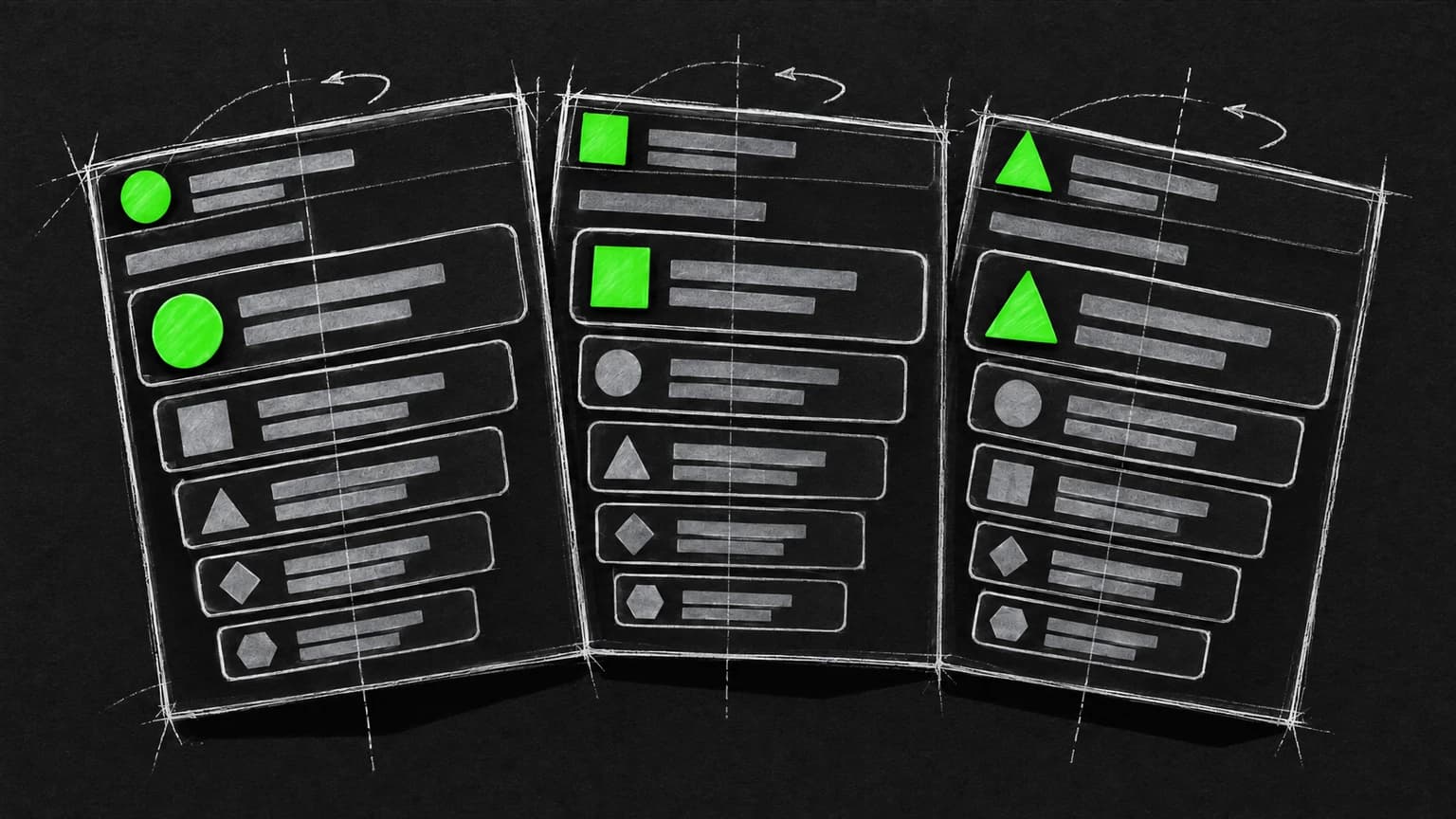
How to read a ranking of AI design agencies
I opened four of the ranked lists on the first page of results. All four put the publisher at number one. What separates them is whether they tell you — and five things worth judging instead.
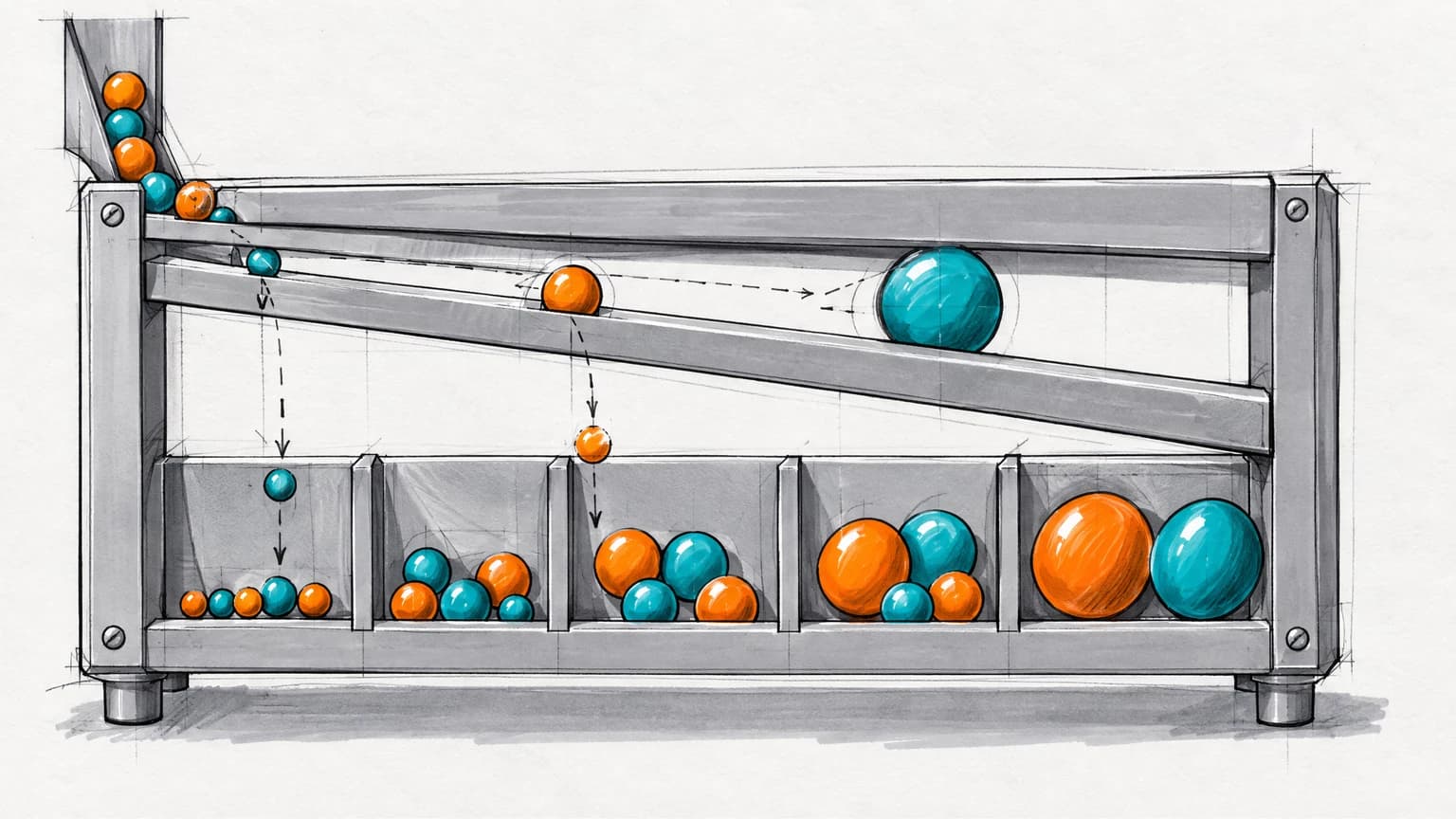
Merging two design teams is a leveling problem
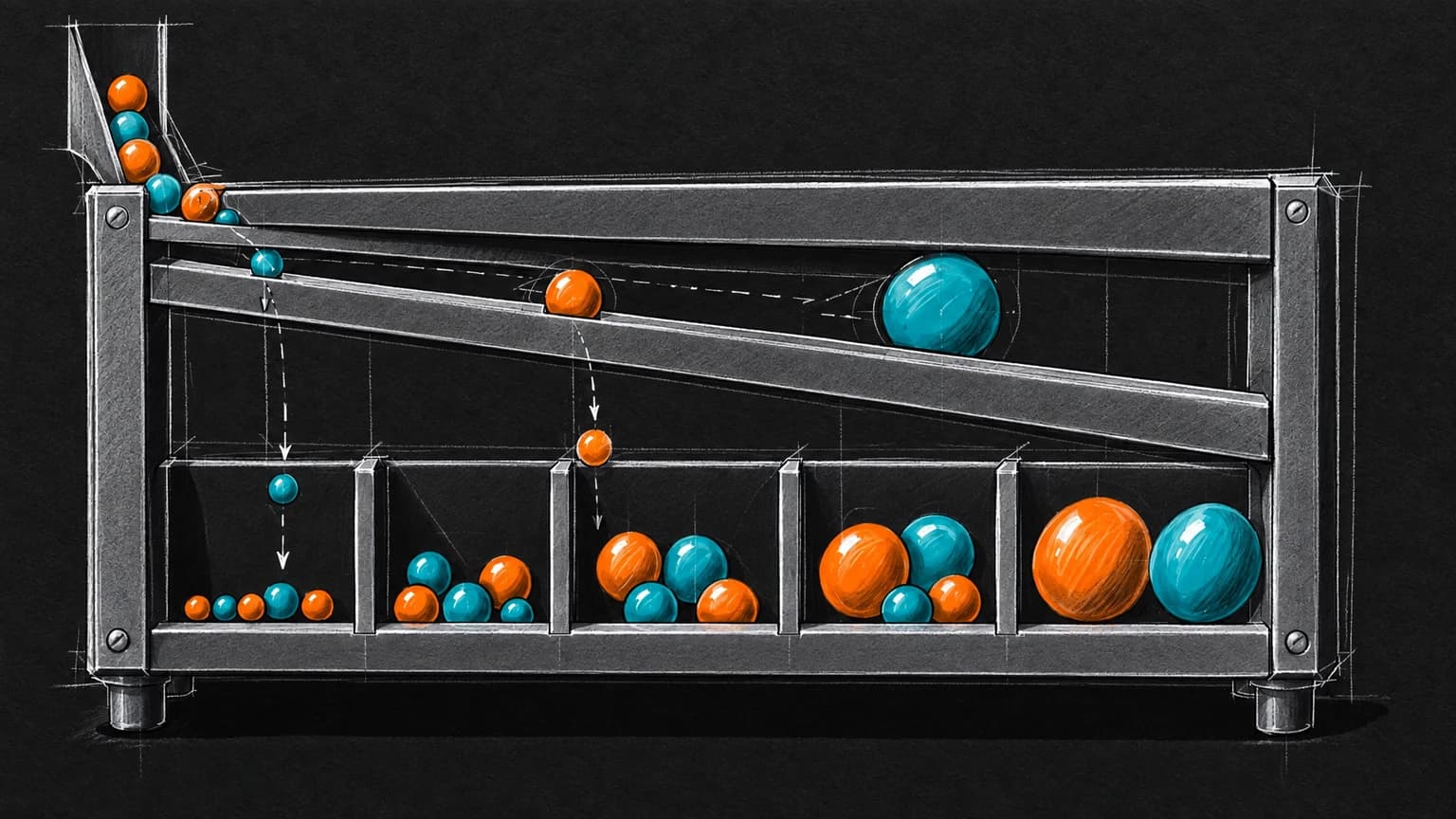
Both companies had senior designers and neither meant the same thing by it. Until the two ladders are reconciled nobody can decide staffing, pay or promotion — and the ambiguity, not the outcome, is what costs you people.
When the brief is smaller than the problem
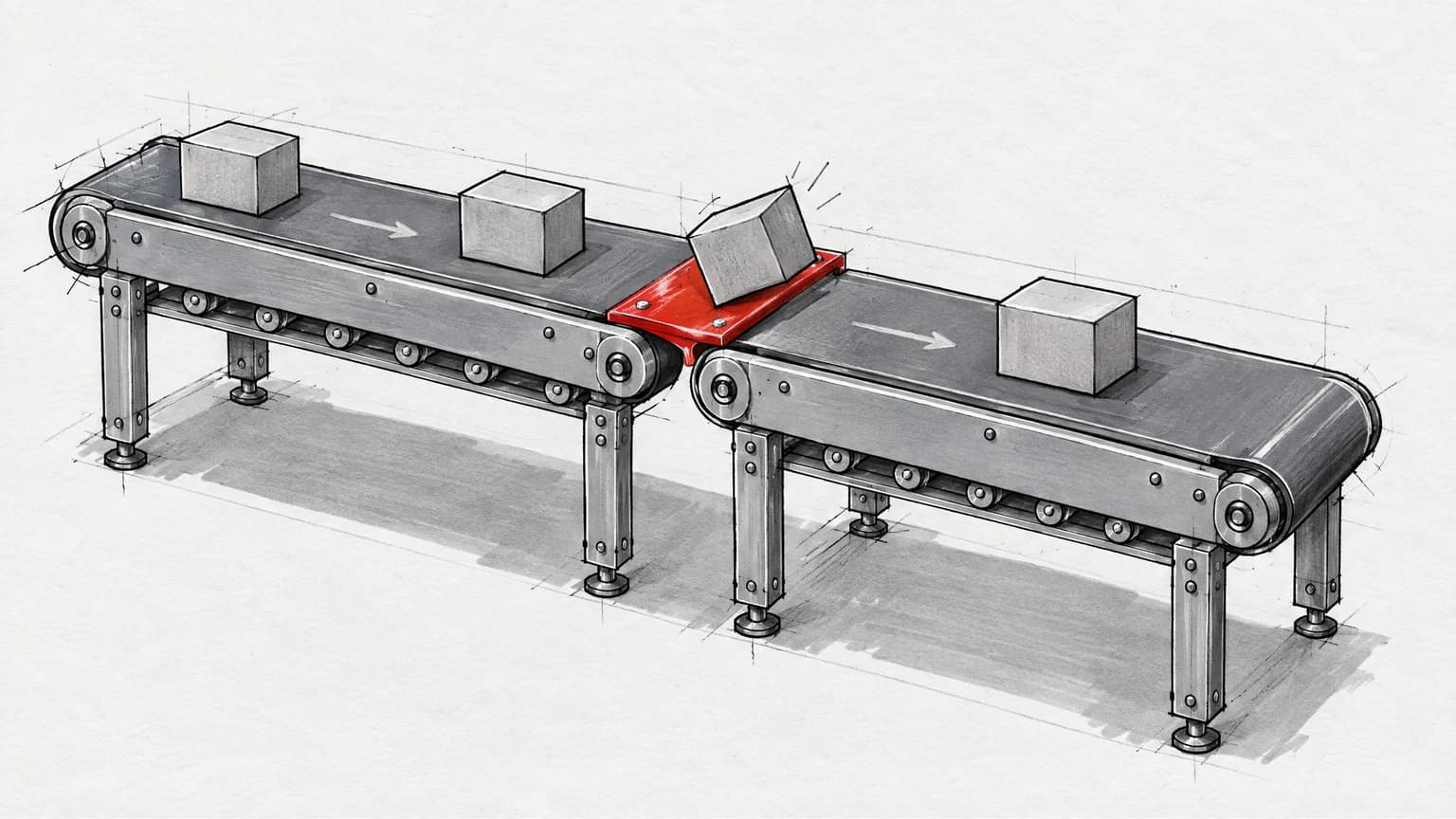
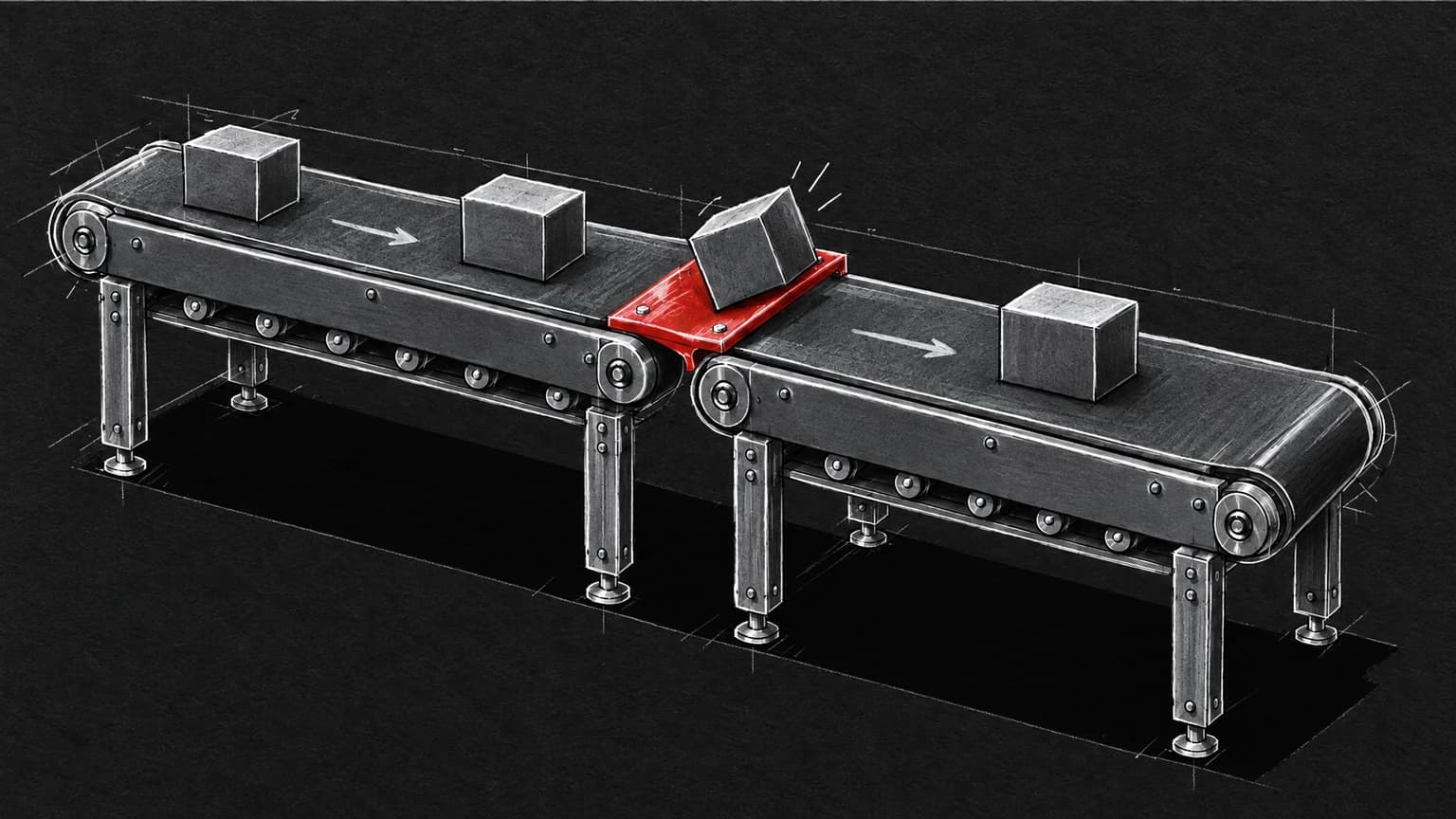
The brief was an incremental UI refresh; the work was arguing for a platform integration instead. Arguing scope upward is usually self-serving, so here is the test for when it isn't — and what actually settles it.
Evaluation loops: telling whether a design change helped
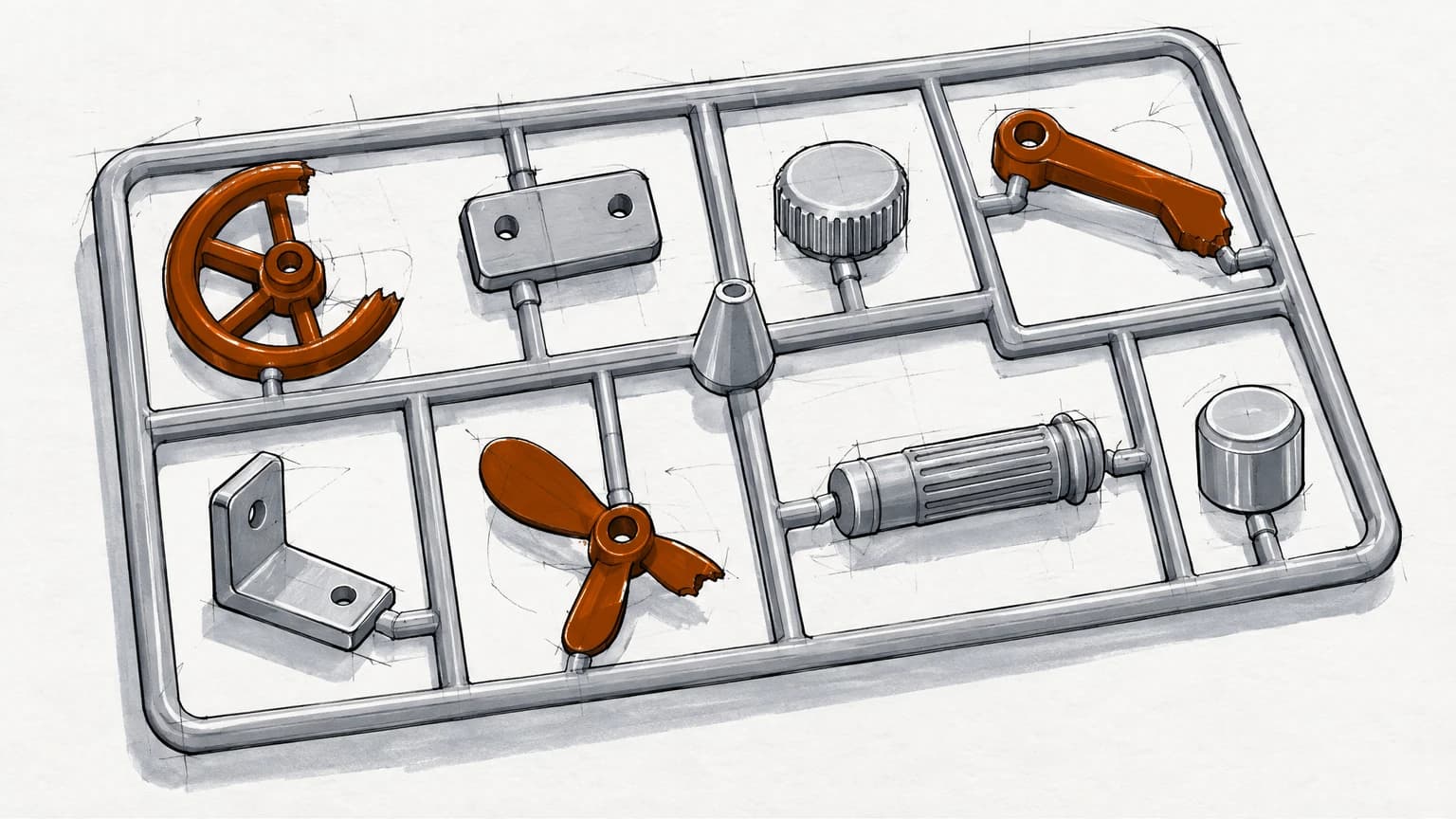
A single try tells you nothing when the same input can give a different answer tomorrow. Keep twenty real cases fixed, run them after every change, and grade what the screen does — not whether the model was clever.
Designer or tool? When AI design software replaces the hire
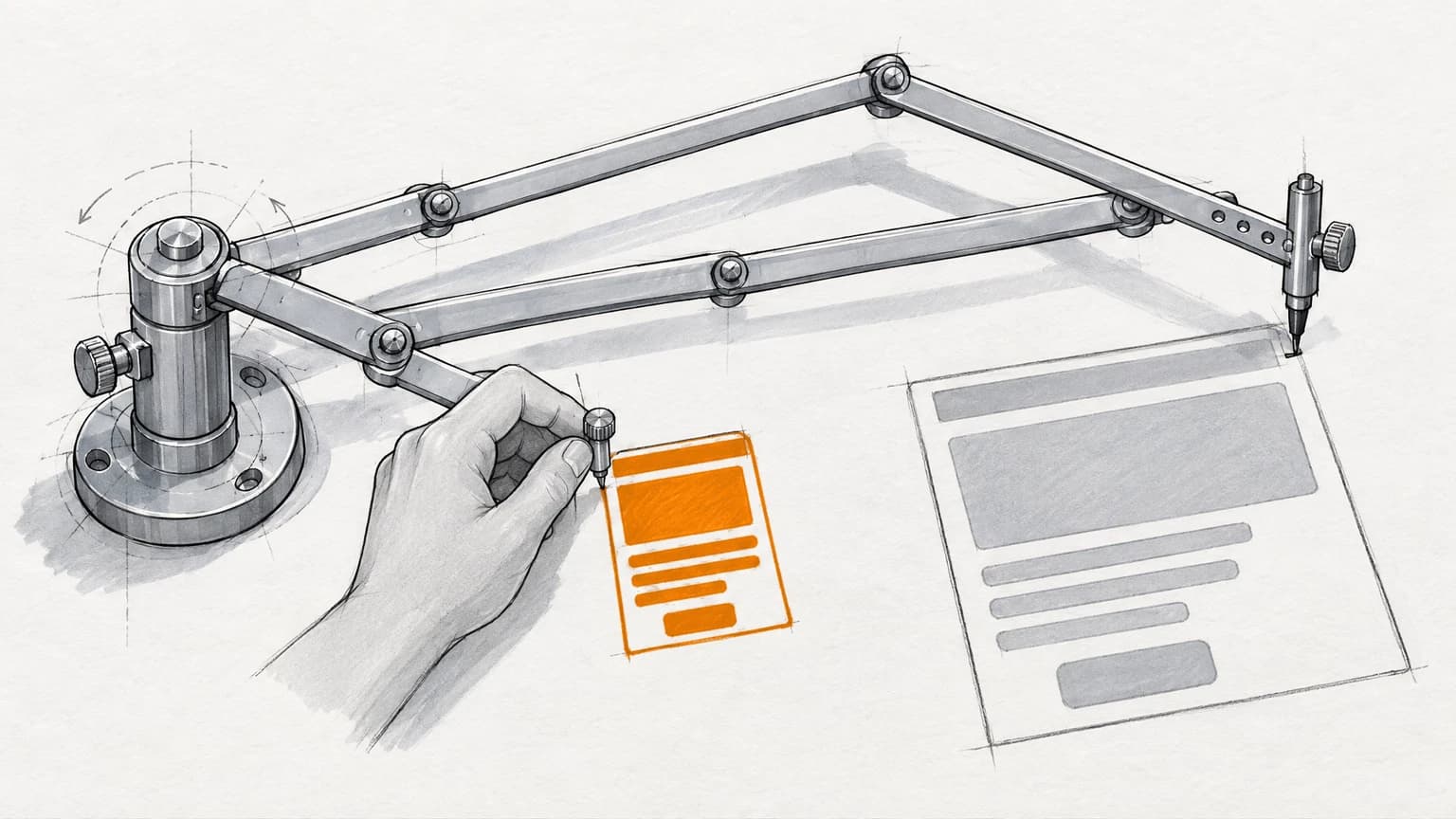
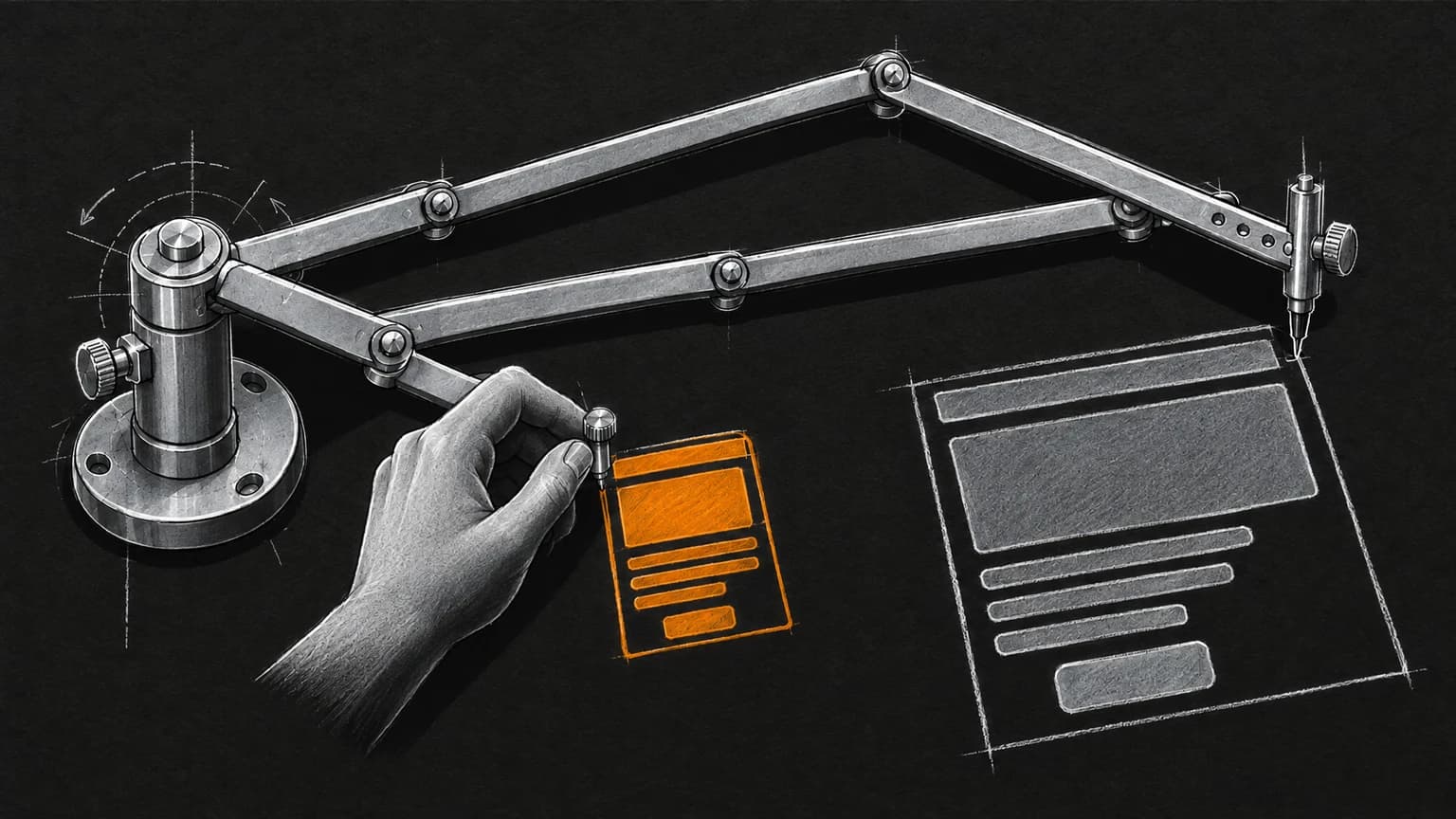
Buy the tool when you know what you want and need more of it. Hire when nobody can say what the product should be or what good means here. Generation multiplies the clarity you hand it — and faithfully amplifies its absence.
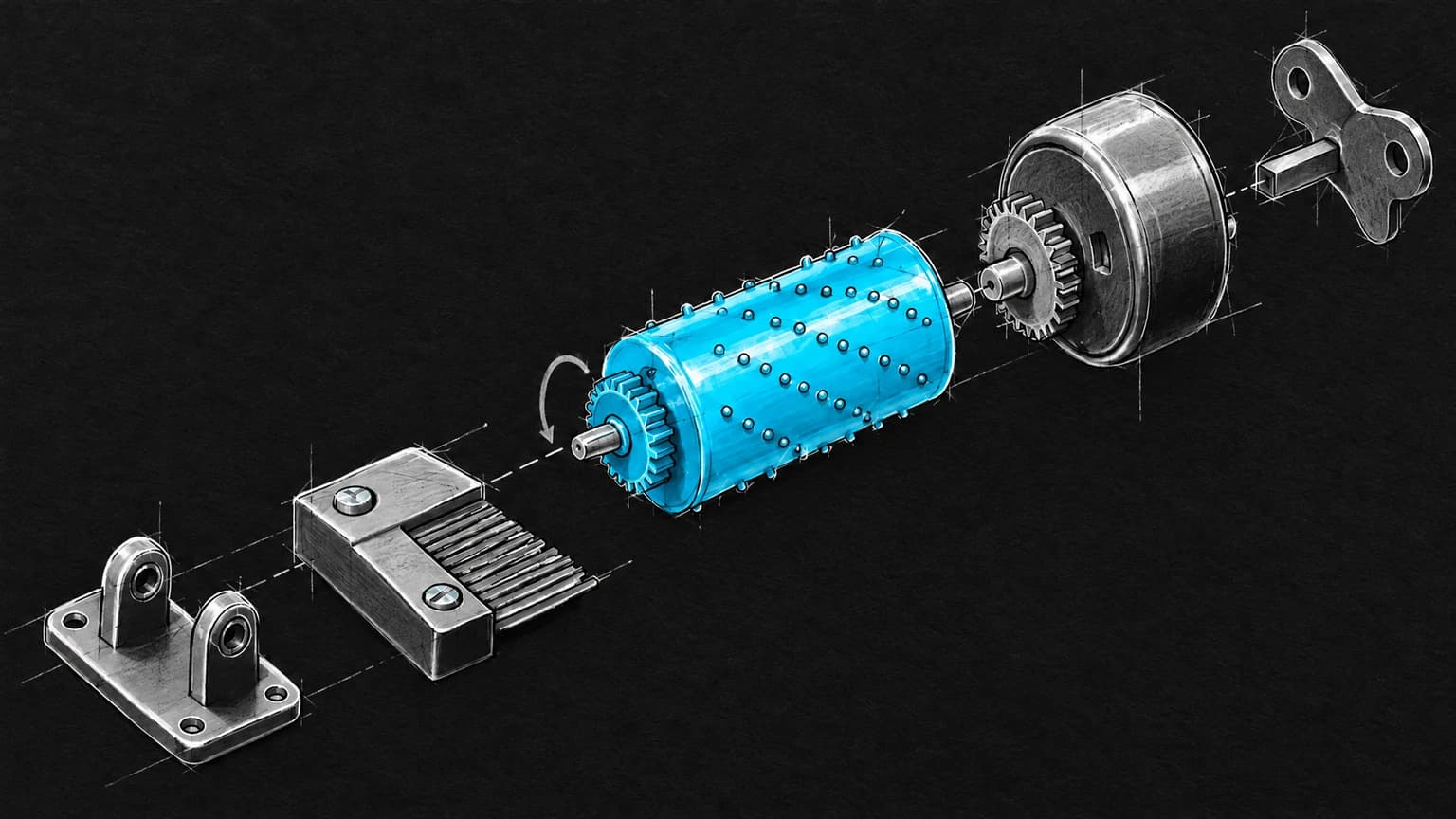
Motion as data: keyframes as a source file
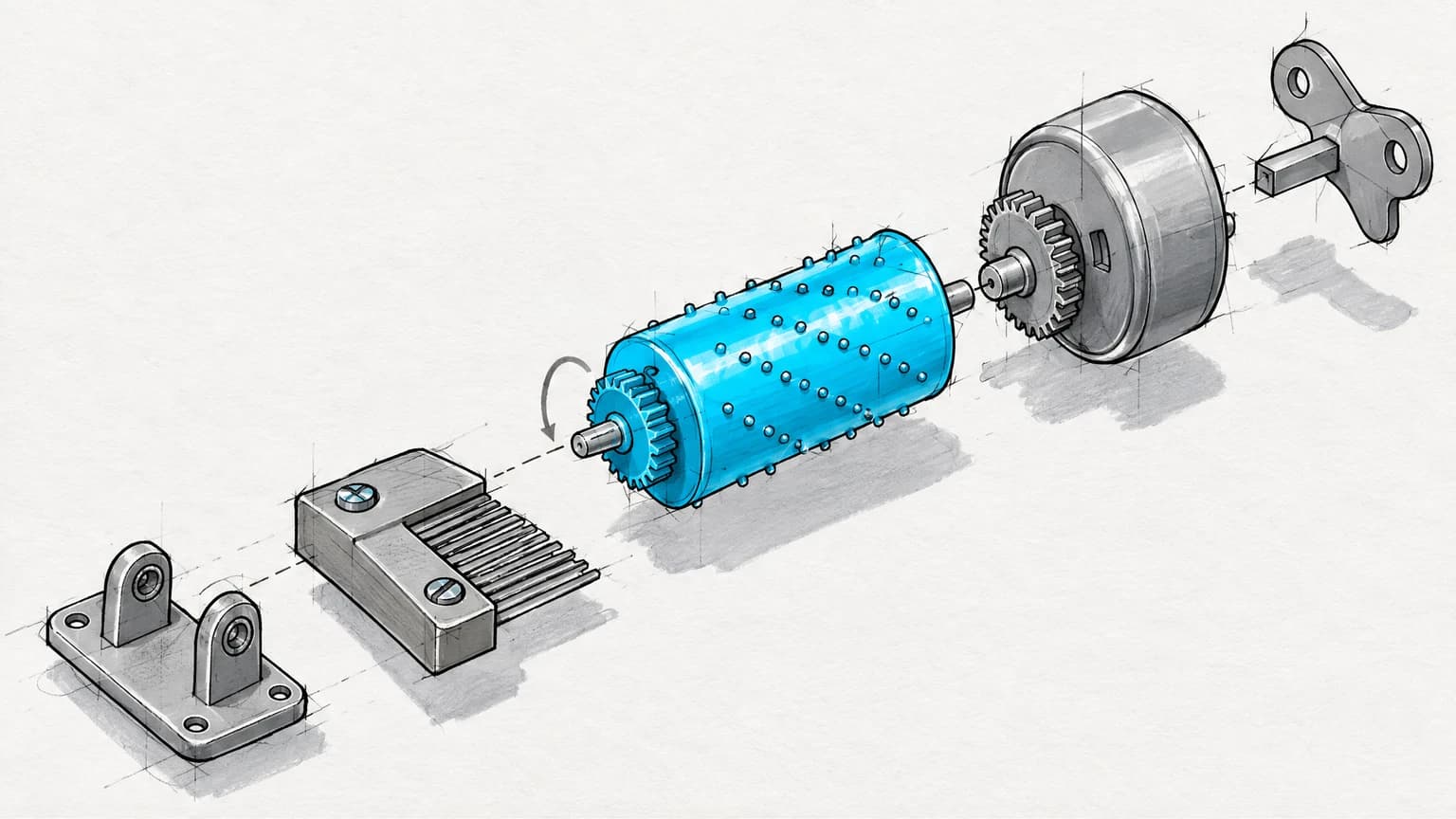
24 scenes across 13 case studies, 88 keyframe blocks. The renderer pauses every animation and sets the timeline position per frame, so the loop is seamless by construction and the clip inherits token changes.
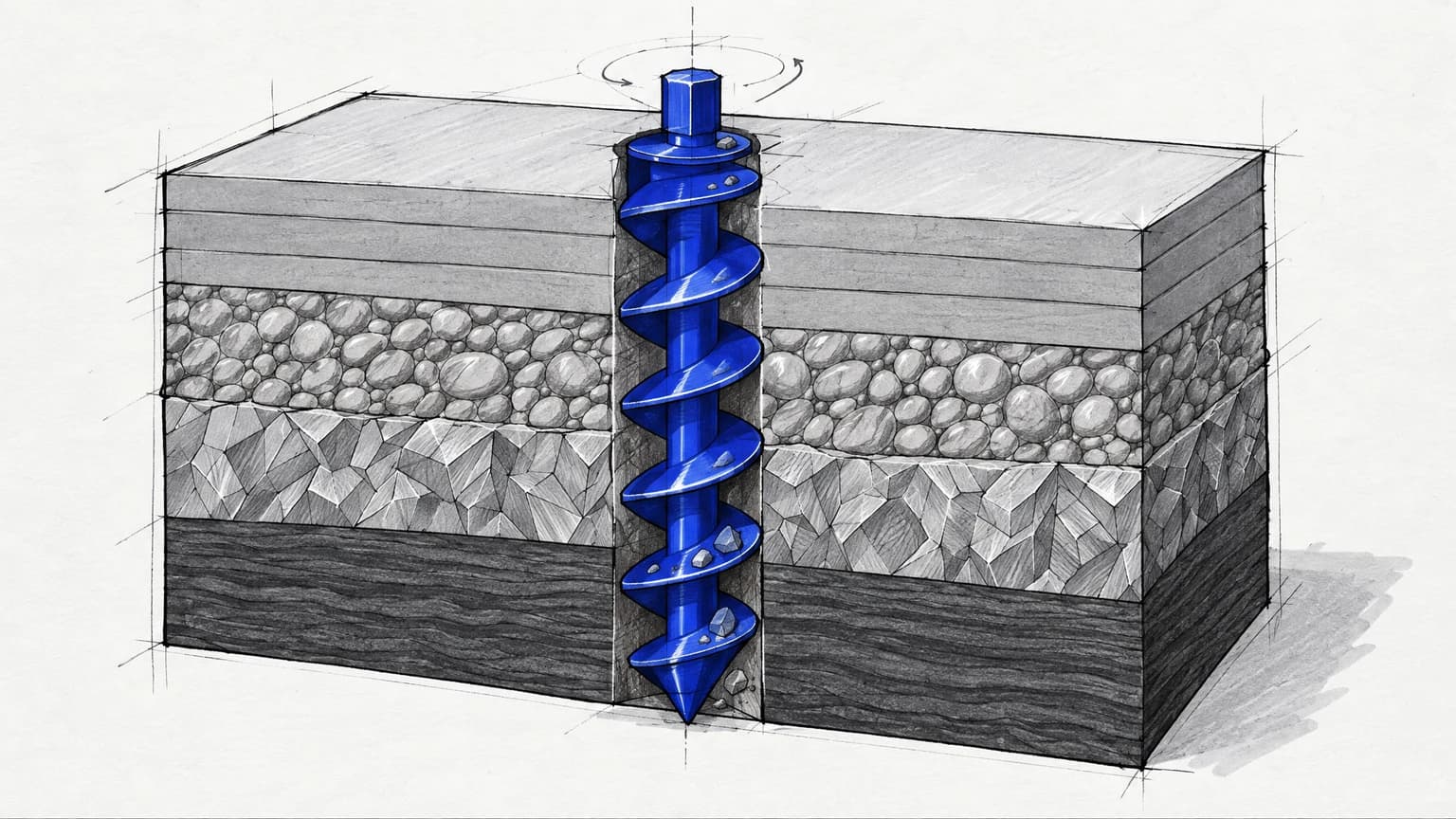
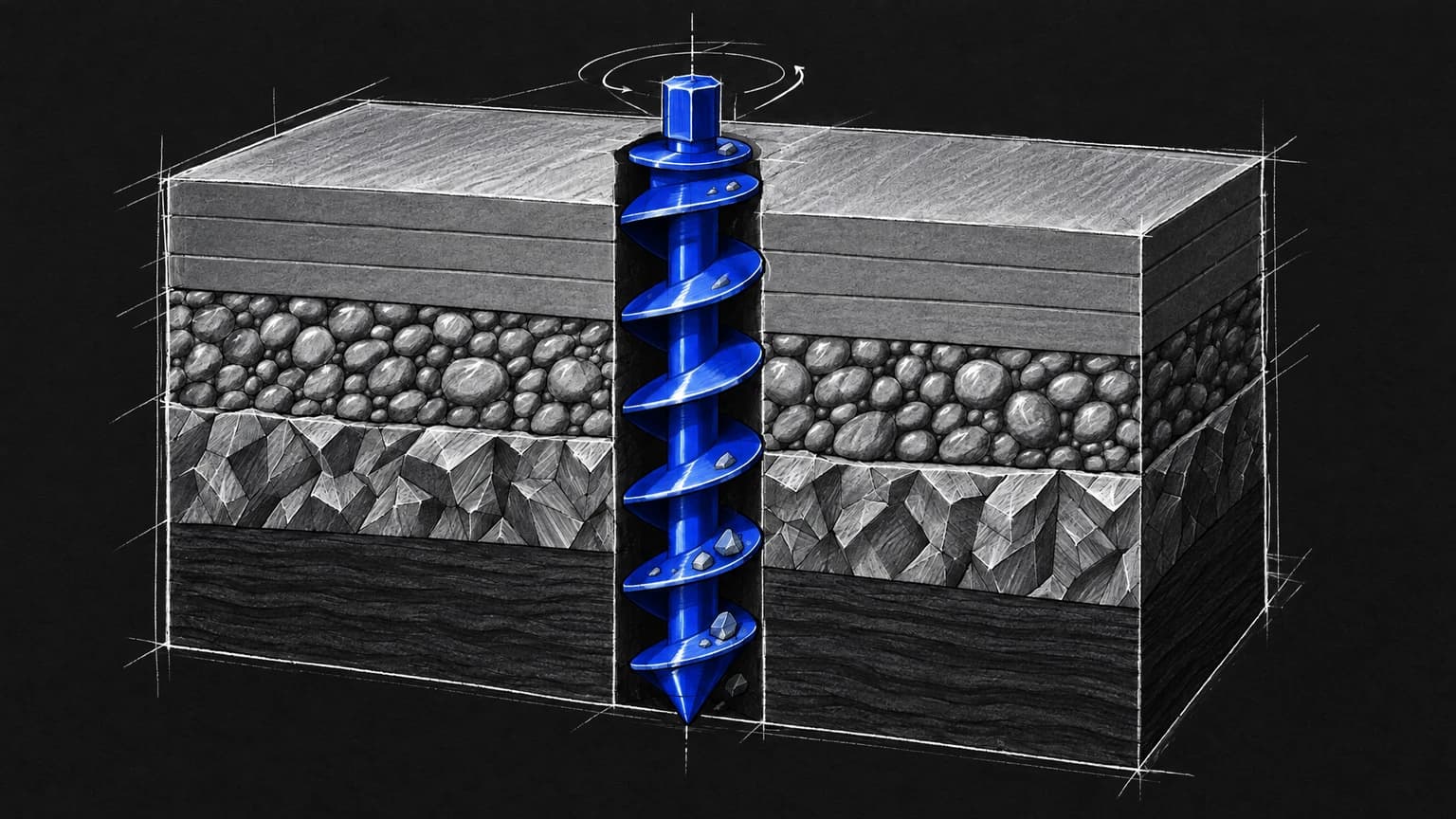
Questions to ask an AI product designer
Ask about one decision and keep asking about that same decision for forty-five minutes. Every published question list ships with its answers attached, so anything you can look up is something they have already rehearsed.
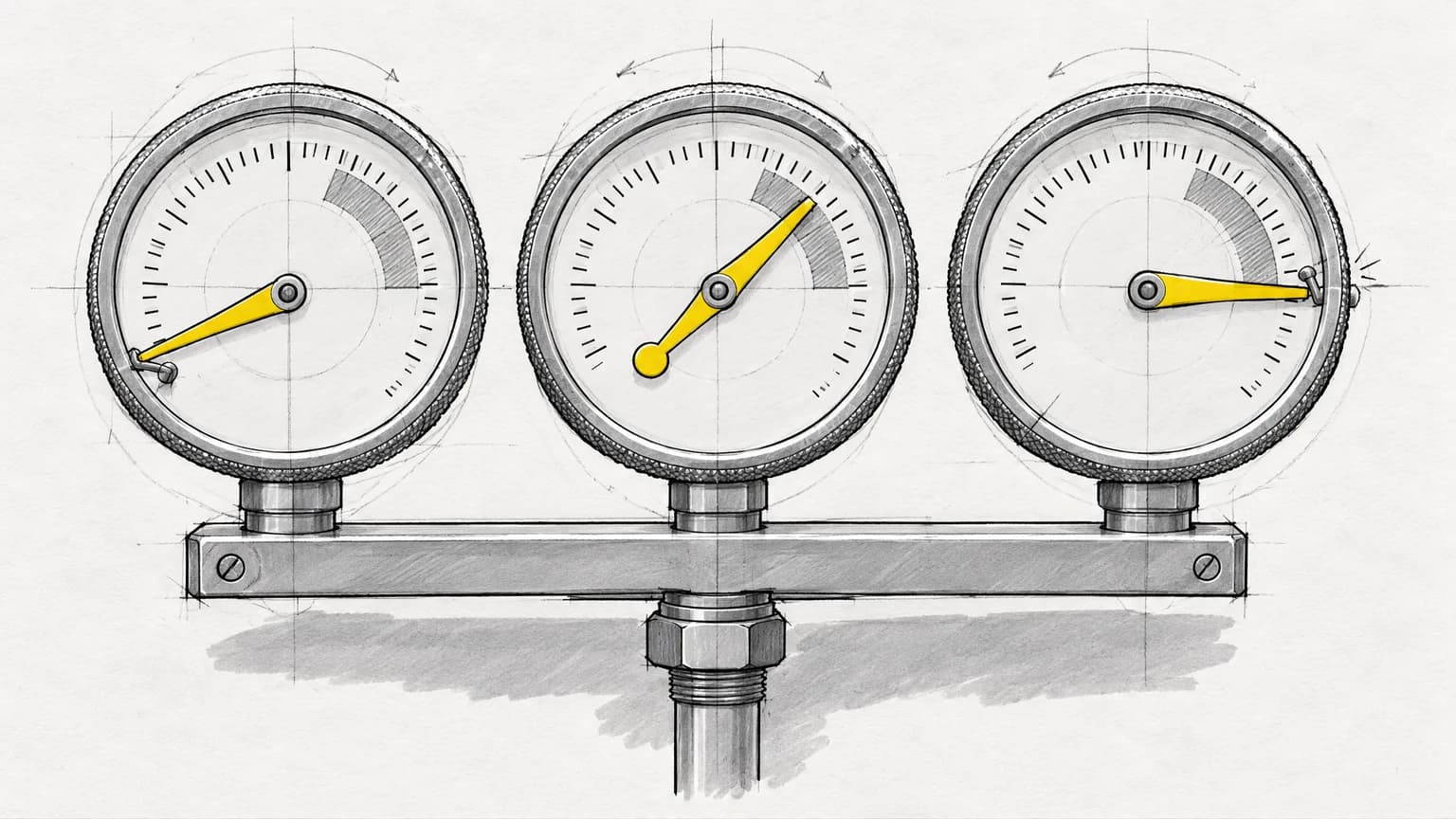
Reading an AI design portfolio: evidence versus prompt output
There are 203 pipeline-generated product screens in the case studies on this site, and a convincing one costs me a command. Polish has come loose from the work that used to produce it, so a review that grades polish grades the wrong variable.
What to standardize across a software portfolio, and what to leave alone
Ninety-six token names are mandatory in all fourteen brands, and only six of them hold the same value in every one. Standardization belongs at the level of the question each product must answer, not the answer it gives.
Undo over confirm, and why AI products need it more
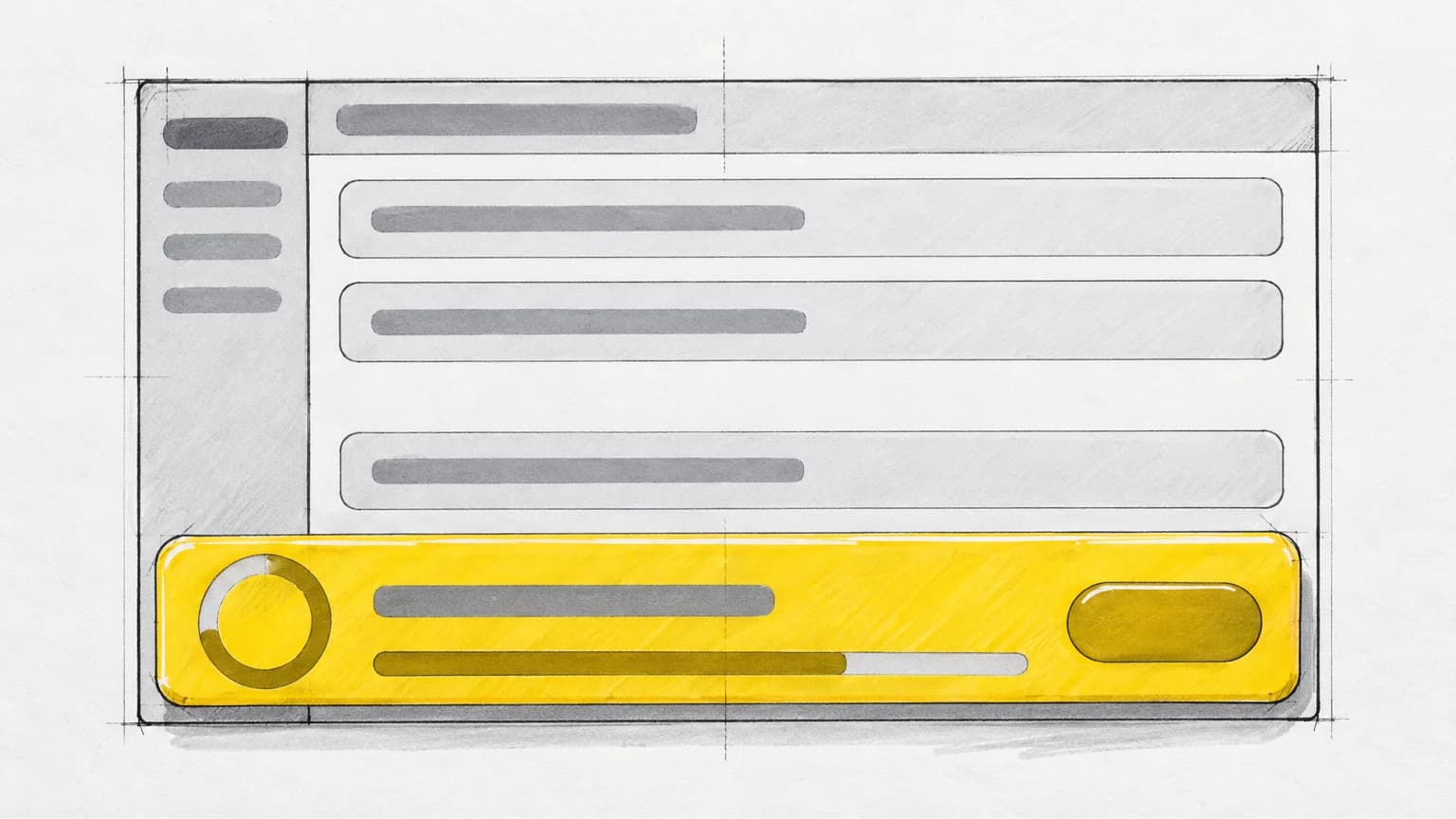
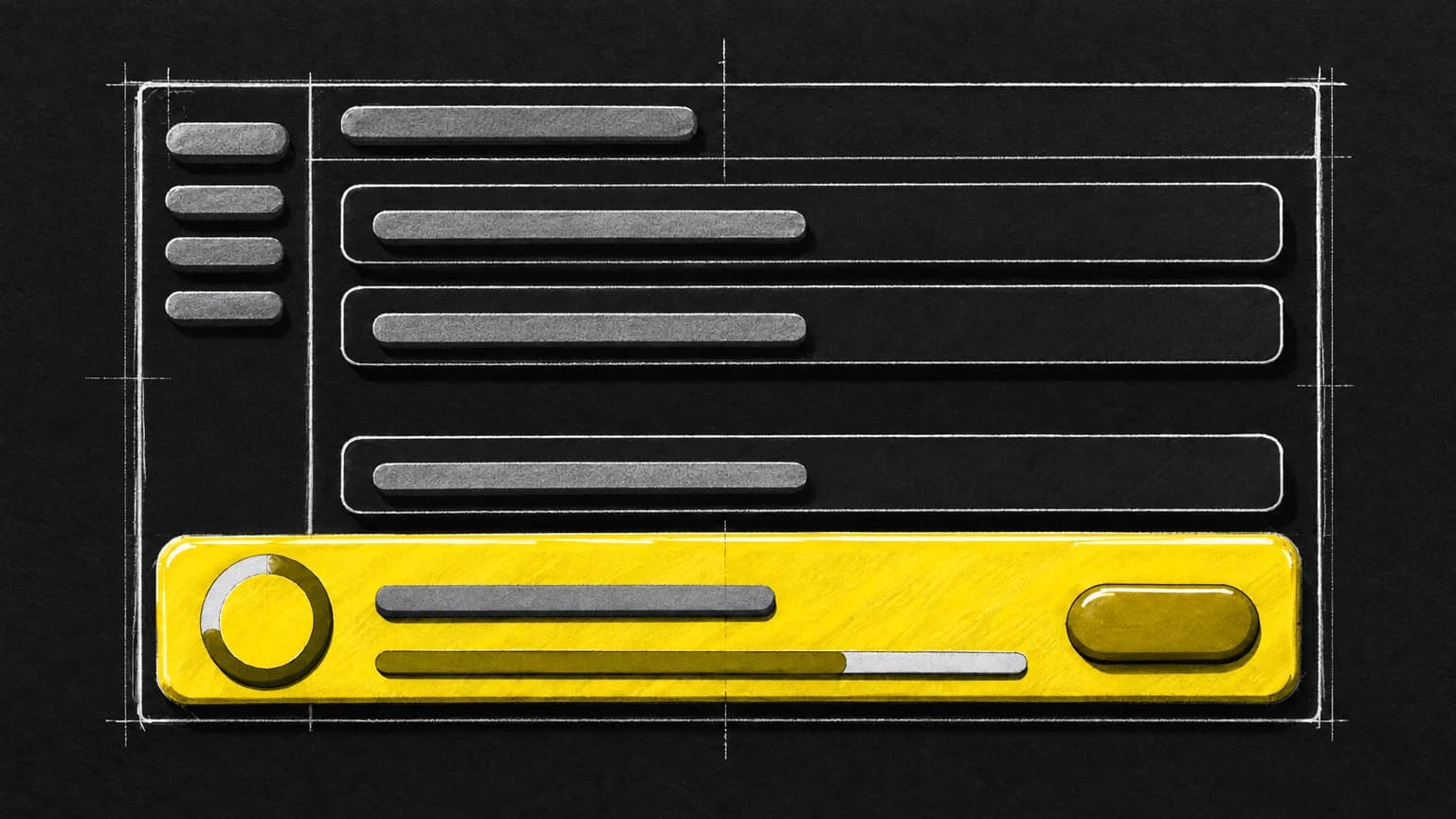
Undo doesn't have to reverse anything: apply the change immediately and defer the irreversible commit until the window closes. For a model acting on someone's behalf, that staging point is the whole design.
Designing document AI before the model could run locally
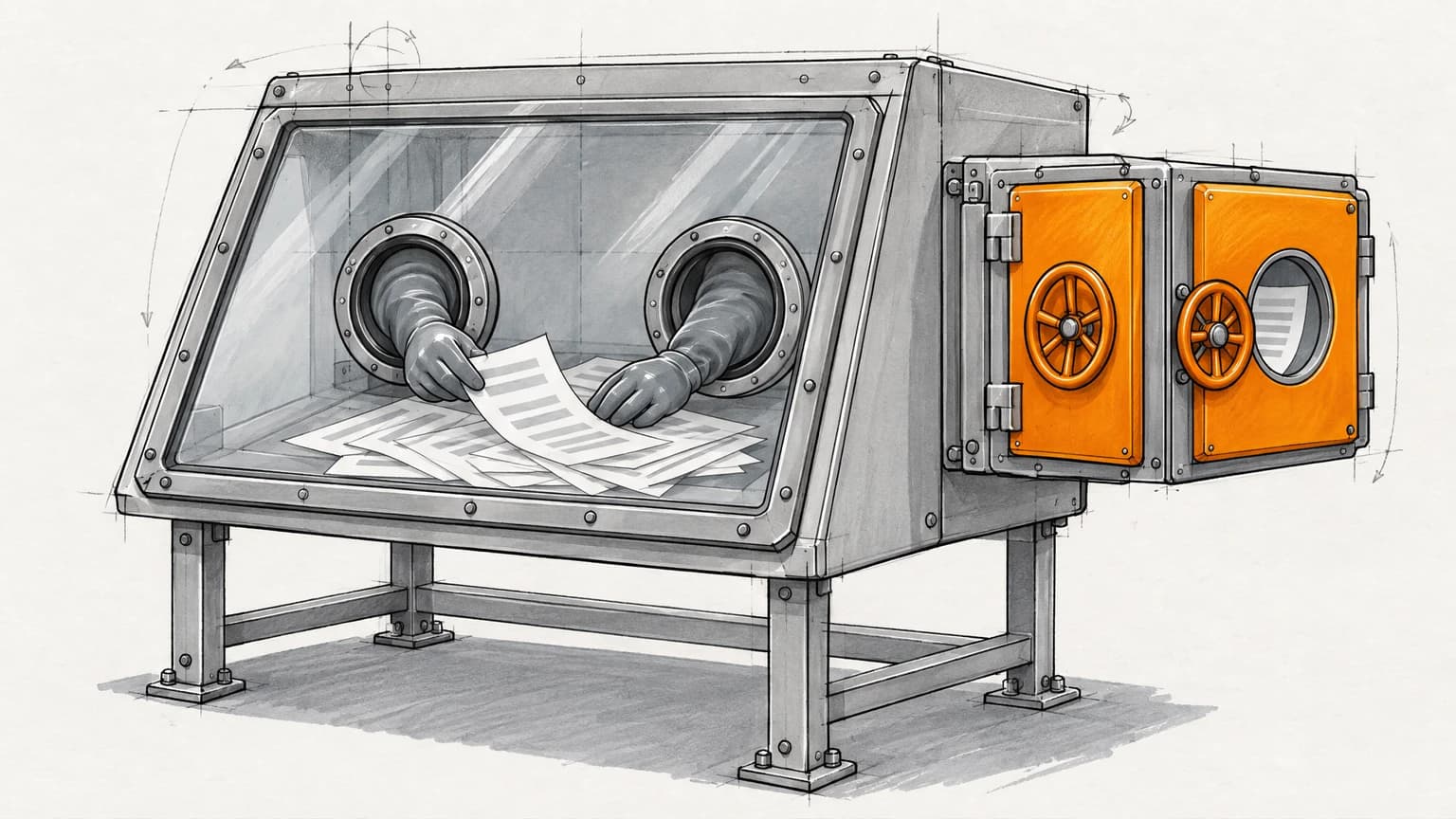
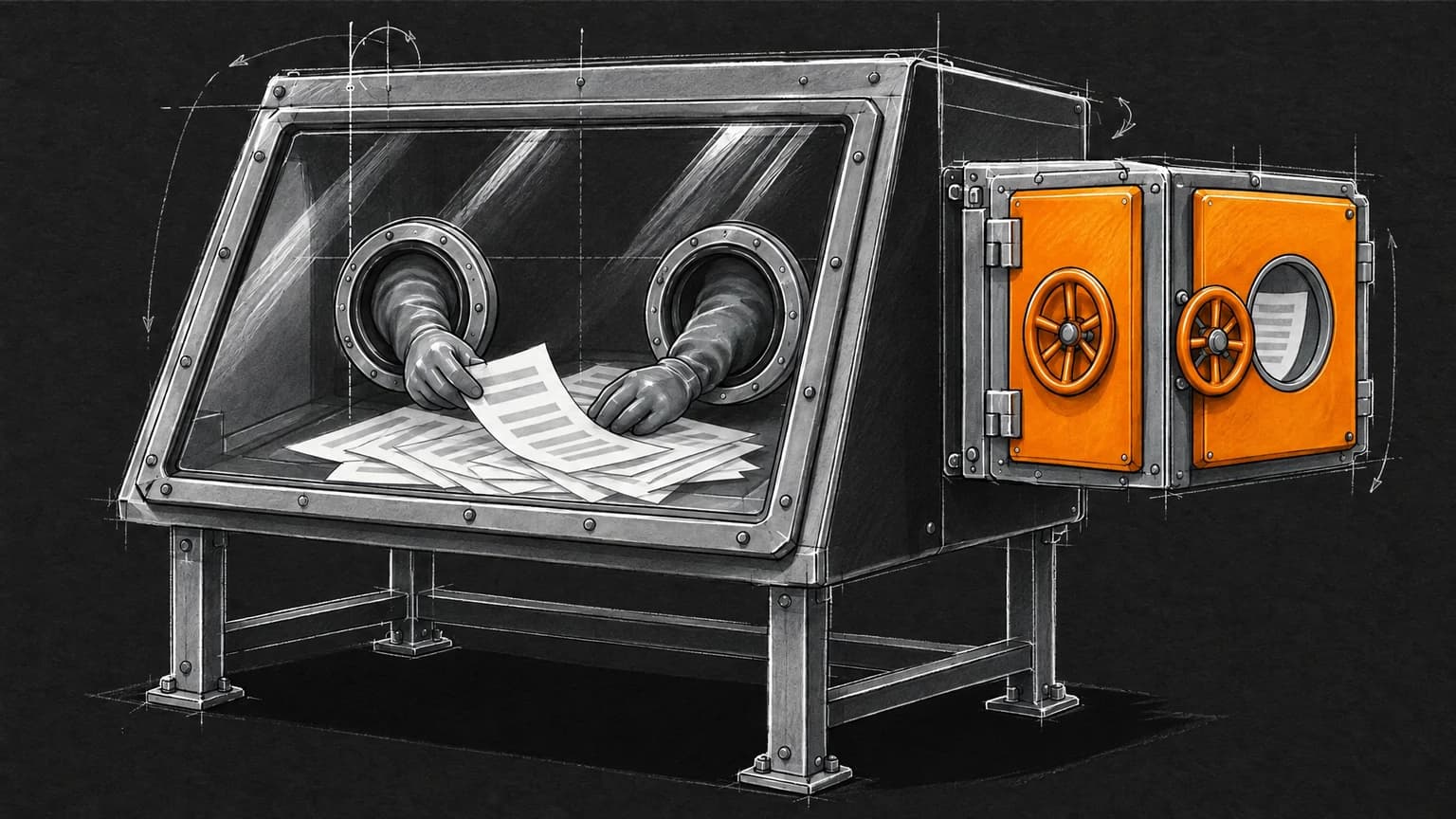
The whole product was organised around one rule: nothing leaves the machine unredacted. Local inference dissolved that rule — and the redaction work moved to the export step rather than disappearing.
What the user is allowed to trust
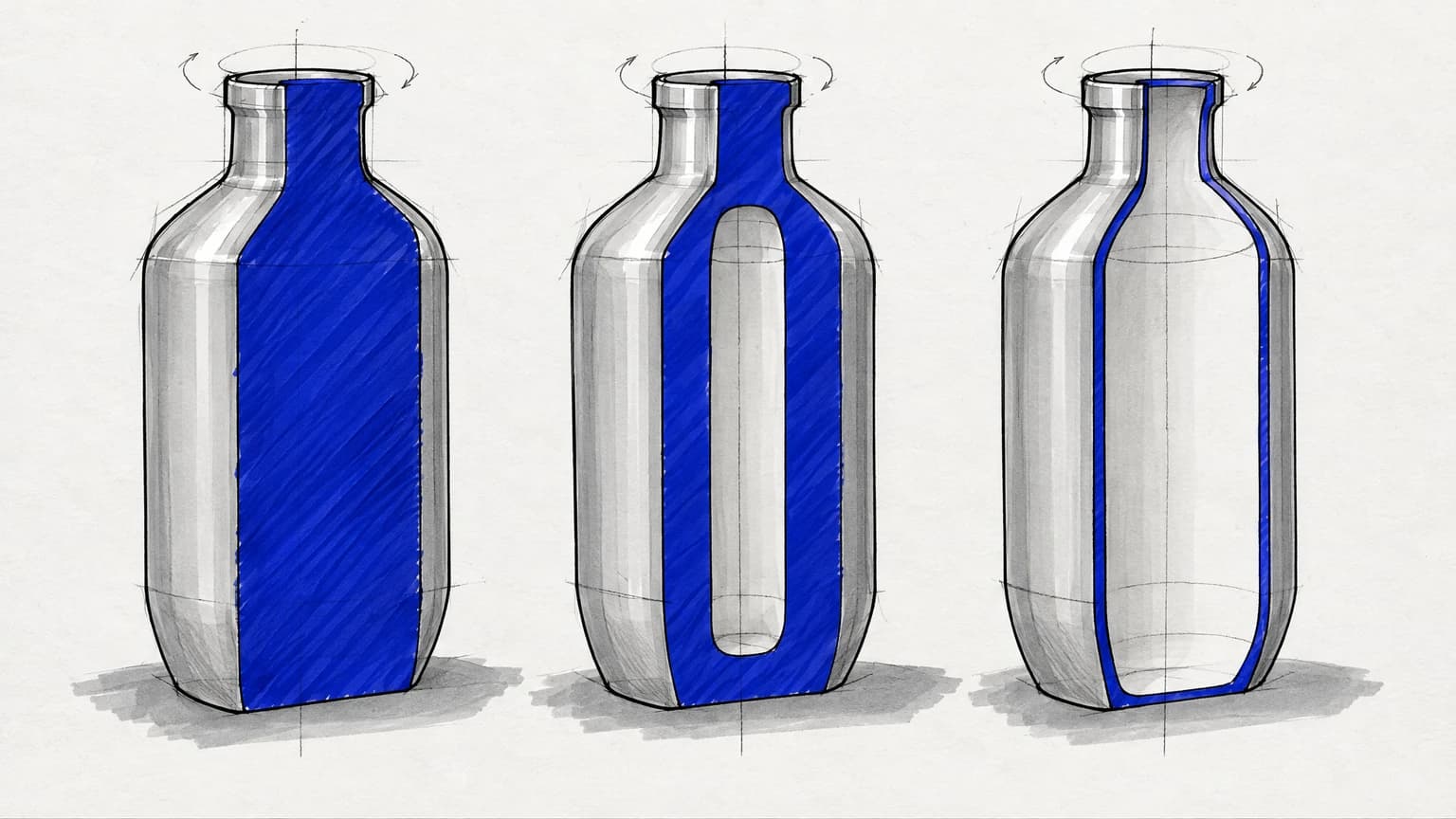
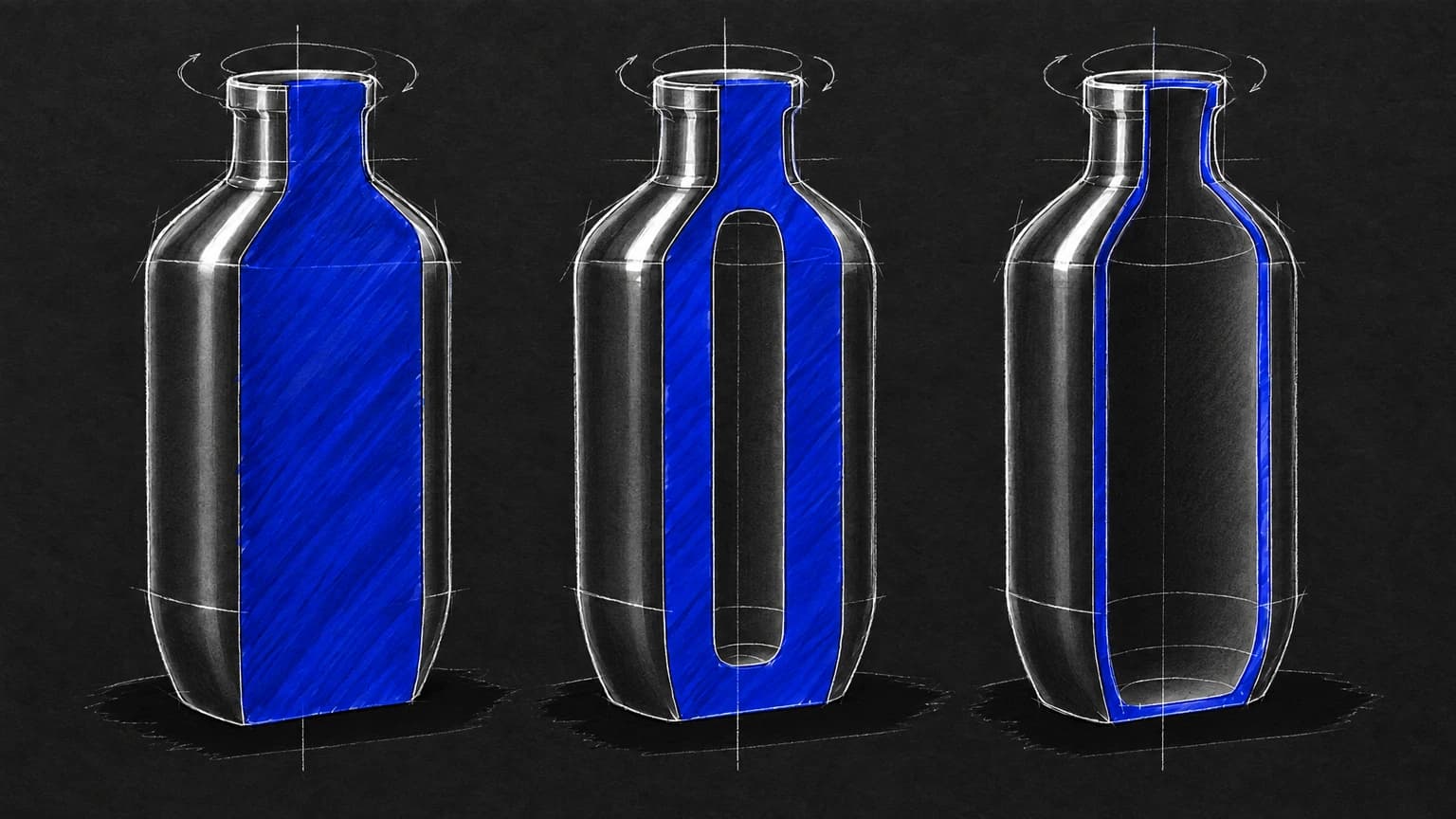
A model's output mixes quoted fact, fair summary and plausible invention, and most interfaces render all of it in the same confident voice. Deciding which claims the product vouches for is a design decision.
How to evaluate an AI product designer
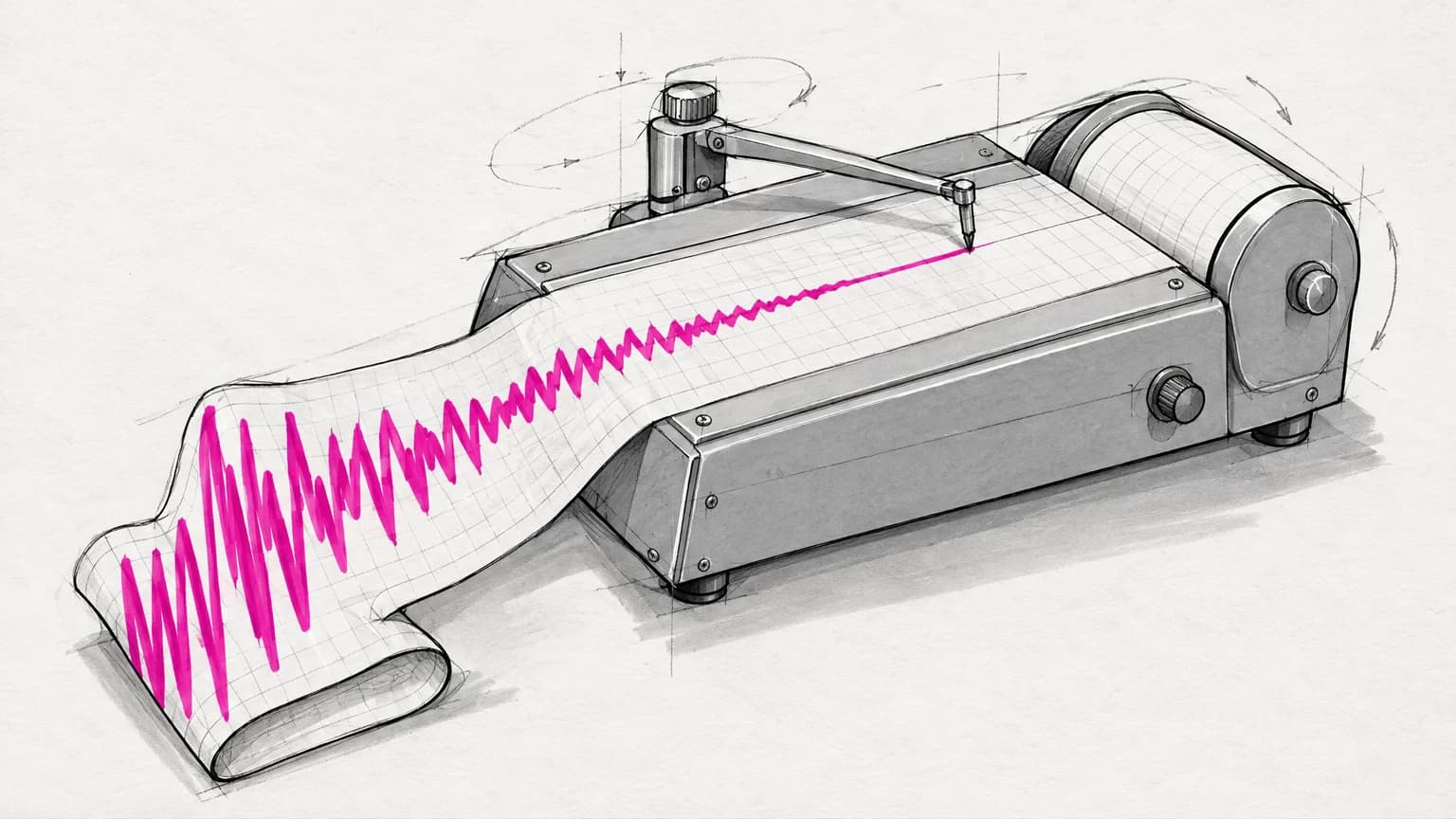
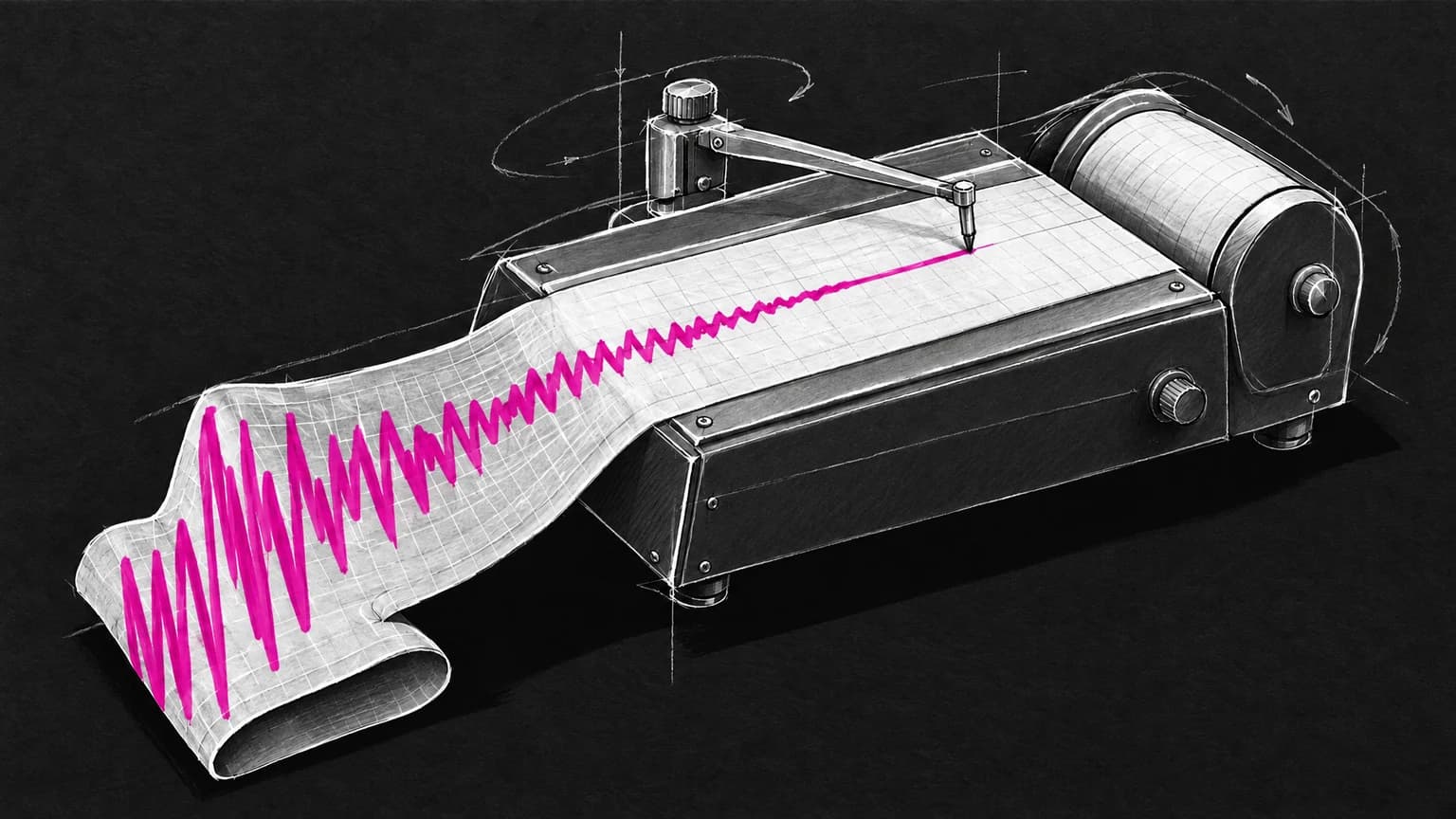
The design cycle didn't change — gather context, draft, cut, widen, ship, improve. Only the clock did. So give them a real ticket in your real repo, let them use their own tools, and watch how they turn the crank.
Why generation touches tokens, never screens
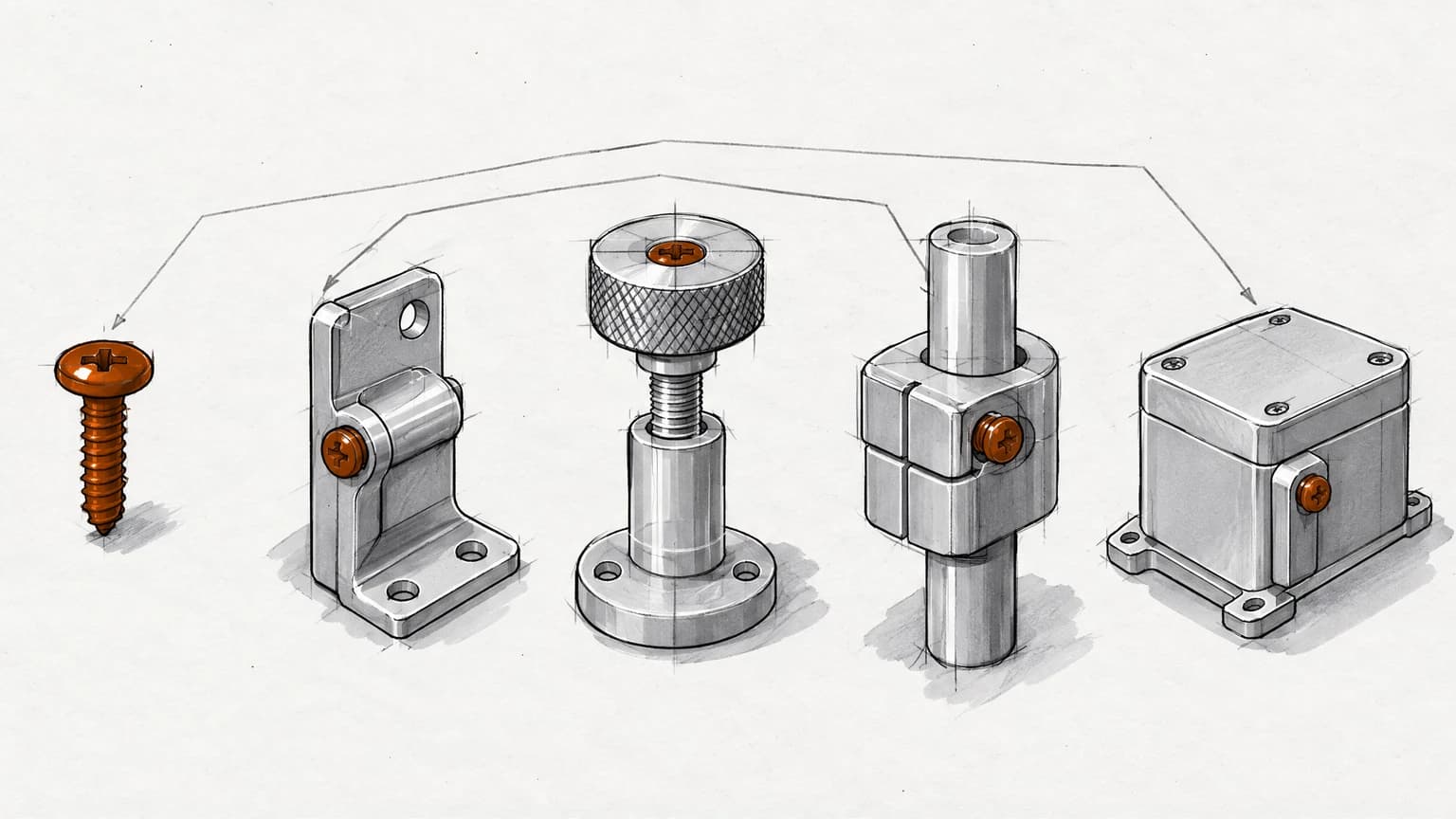
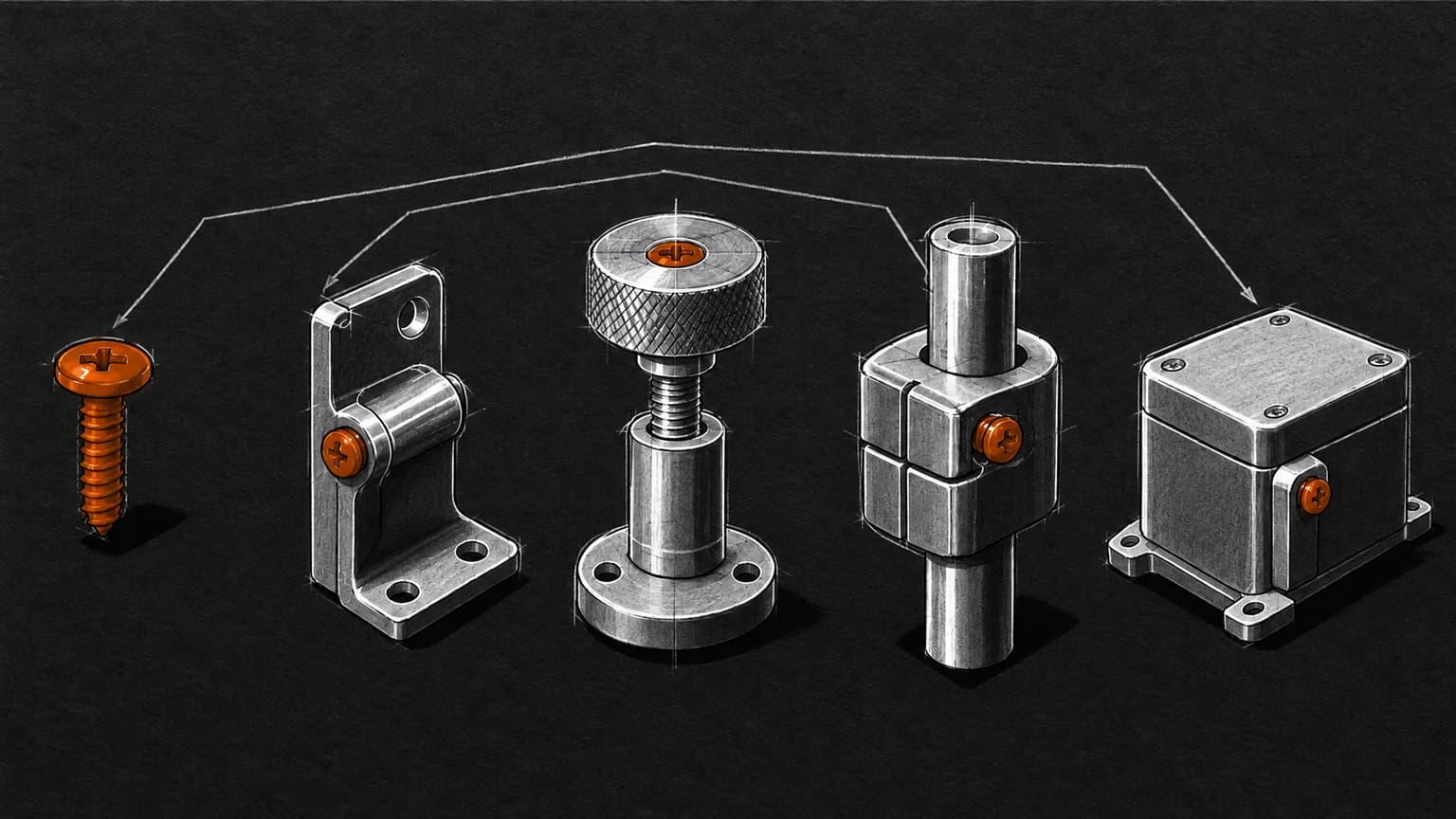
139 names, 4,138 references to them. Generating at the token layer has thirty-to-one leverage and is verifiable in one place; generating screens has one-to-one leverage and is verifiable nowhere.
How I work: the deliverable is something running
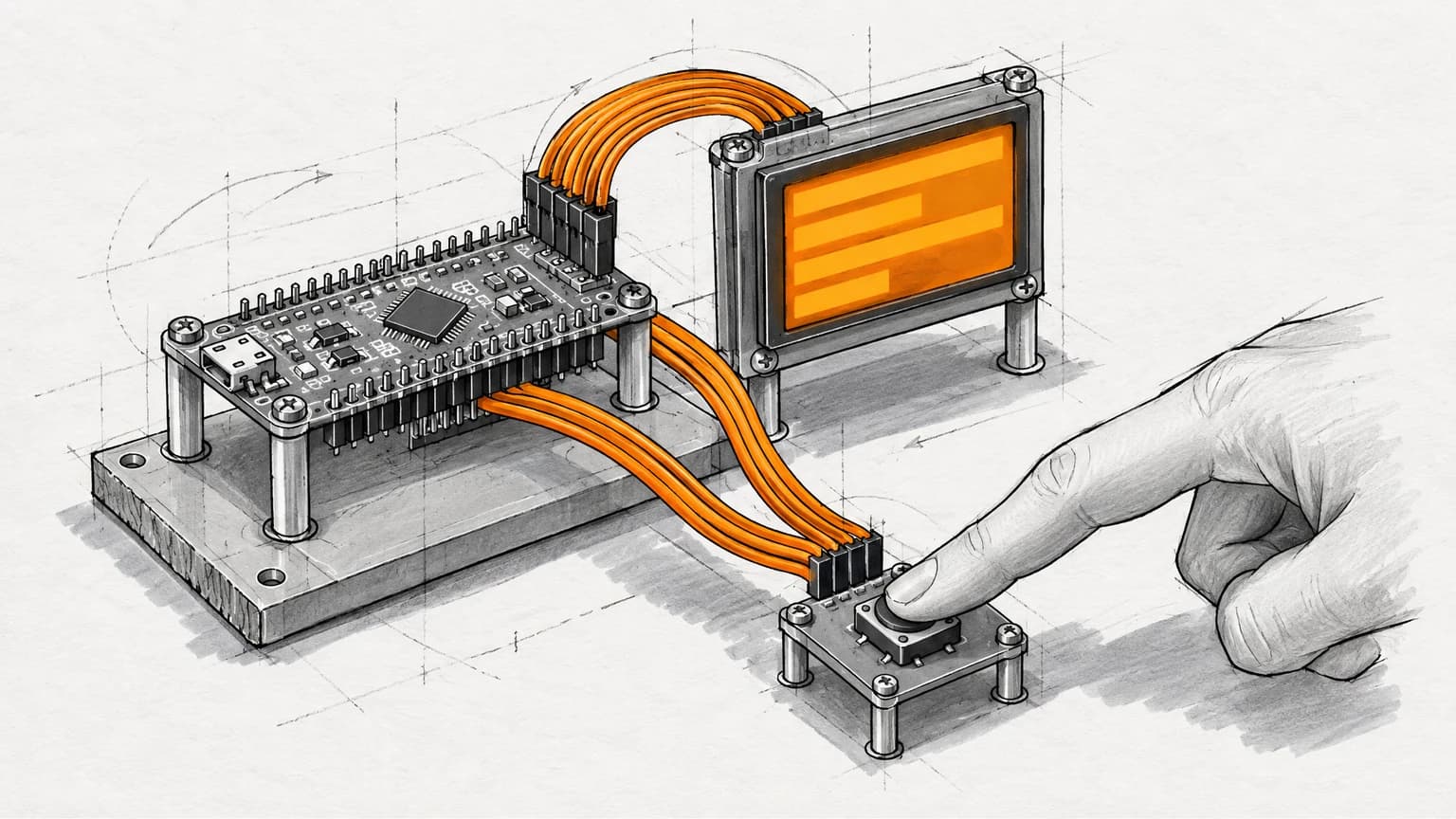
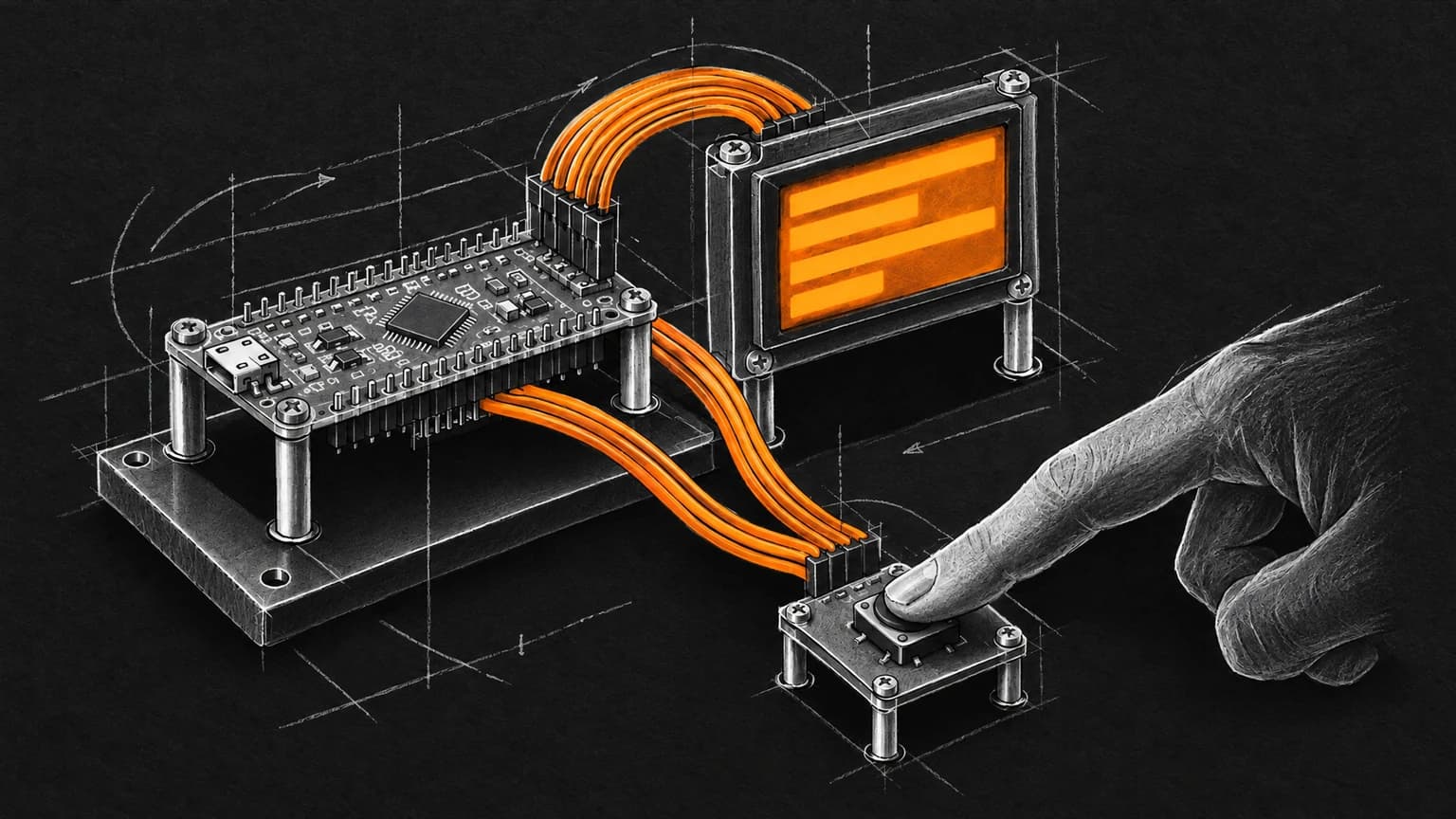
What a fractional design lead should hand you in the first month is a working prototype, not a deck — and there are three kinds of prototype doing three different jobs.
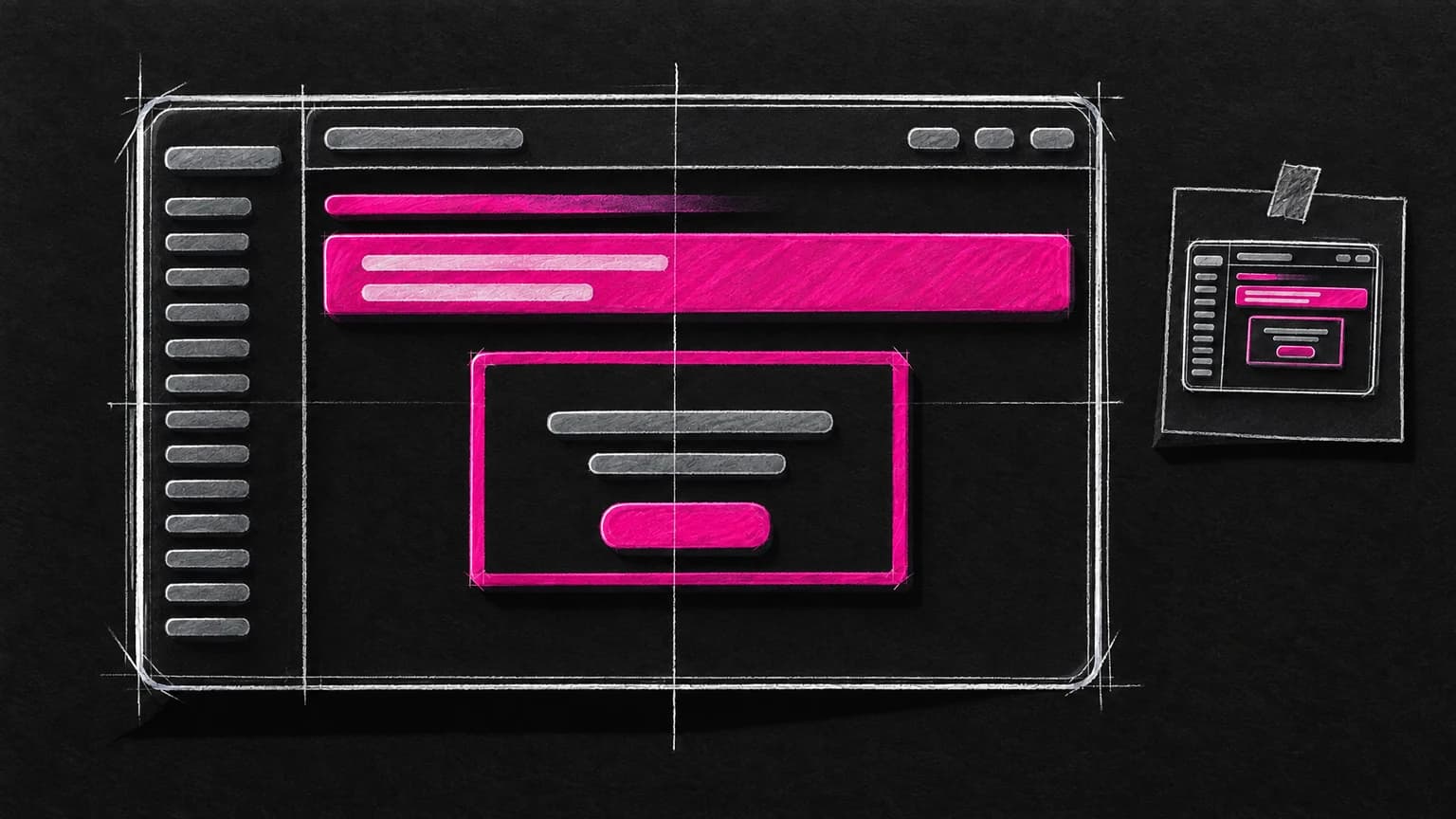
Design the failure state first
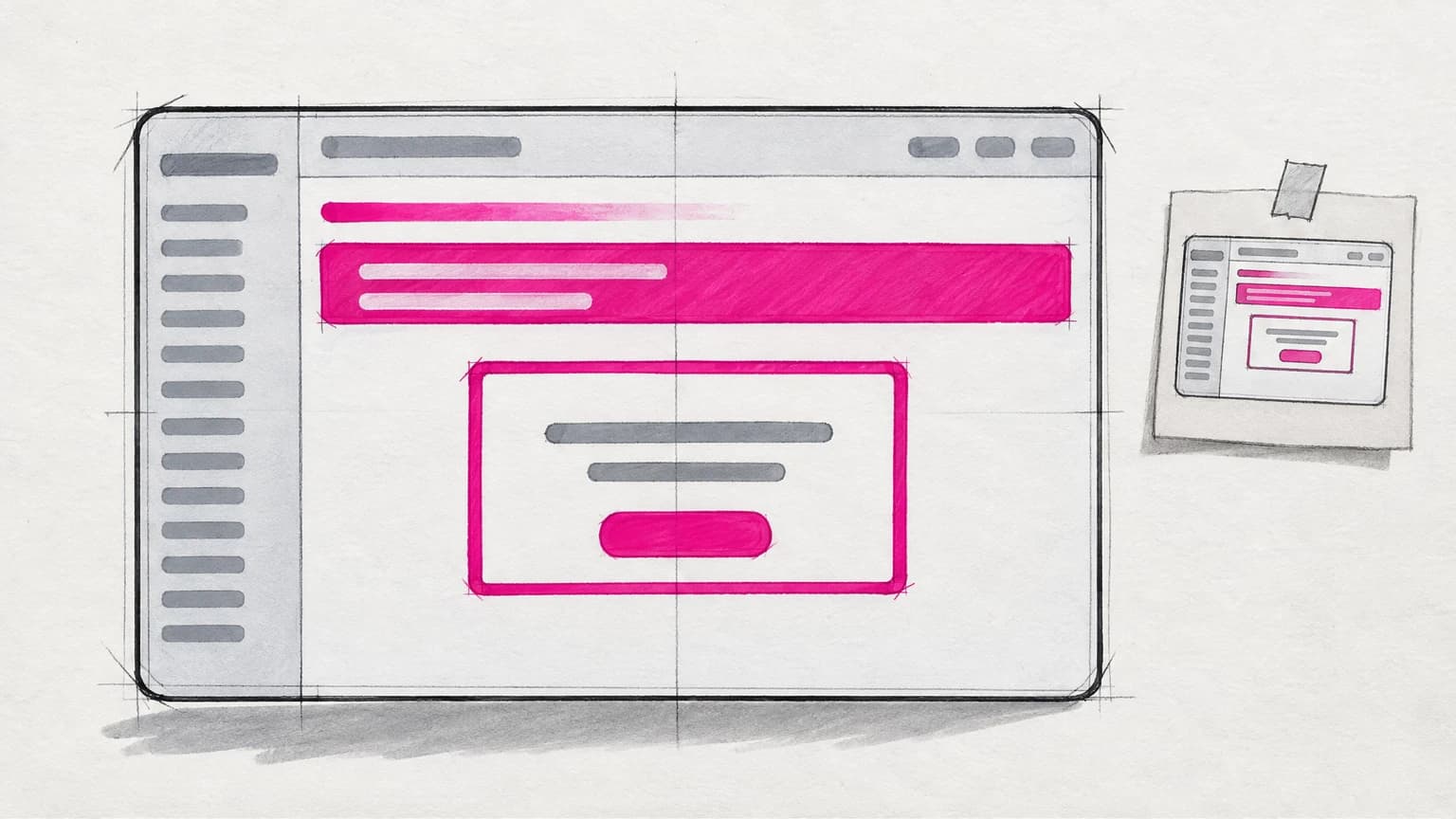
In a product built on a model, the interface is decided by what happens when the answer is wrong. “The model failed” collapses five different situations that each need a different design.
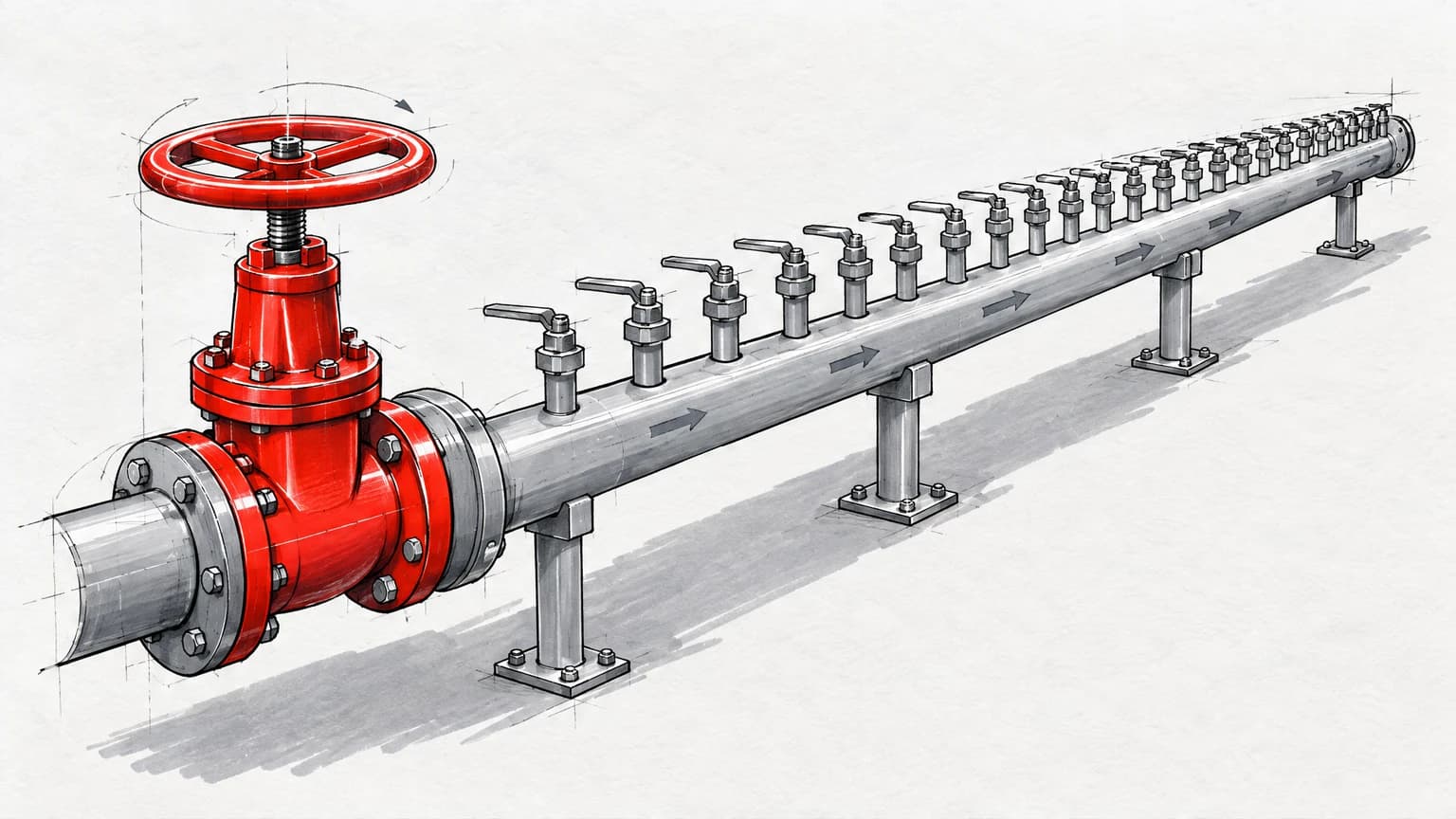
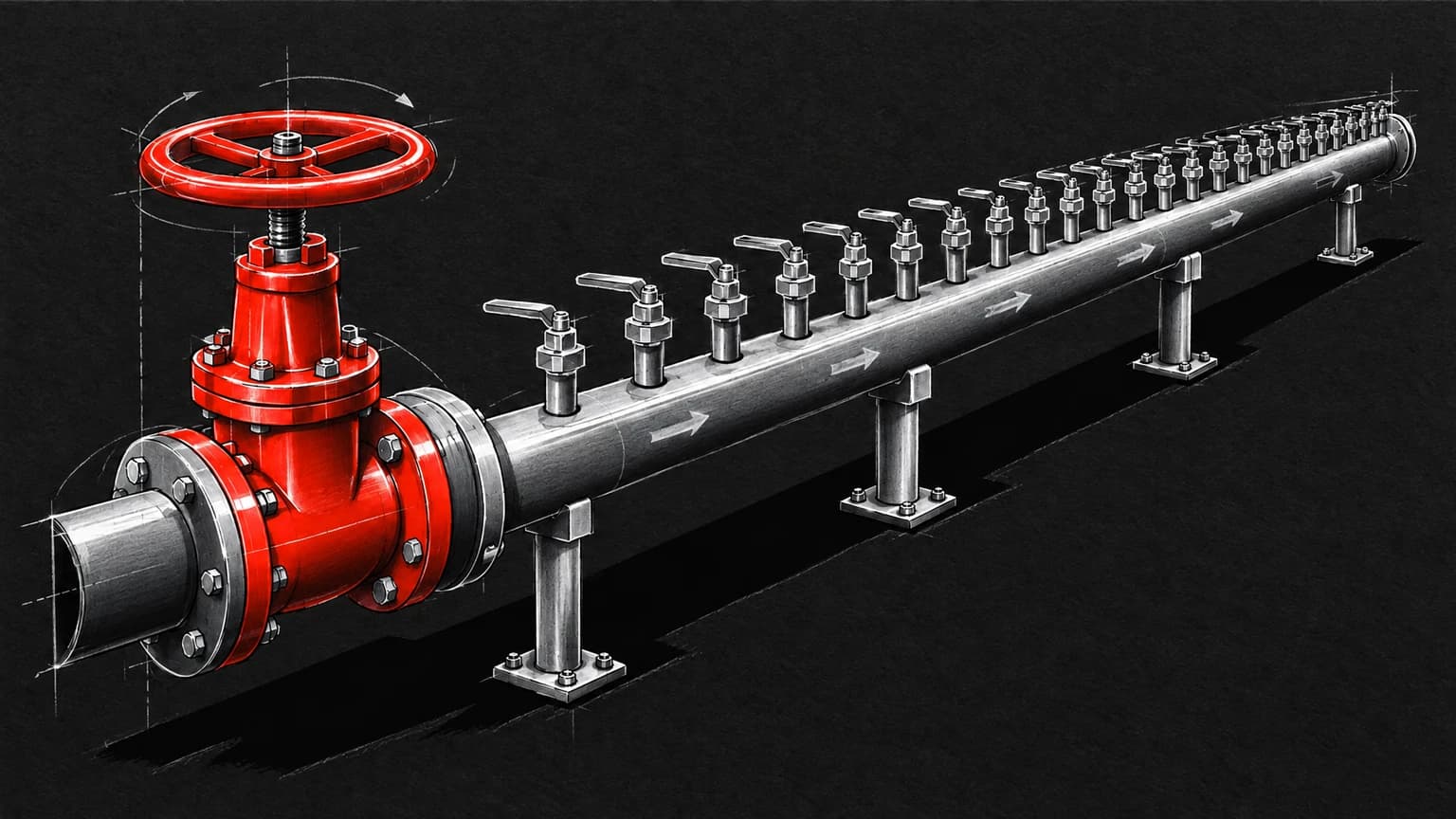
What scales across fifty products isn't the design
There are 139 names in the design system I work in, and 61 of them are colours. That number matters far more than the fifty-odd products on the other end of it.
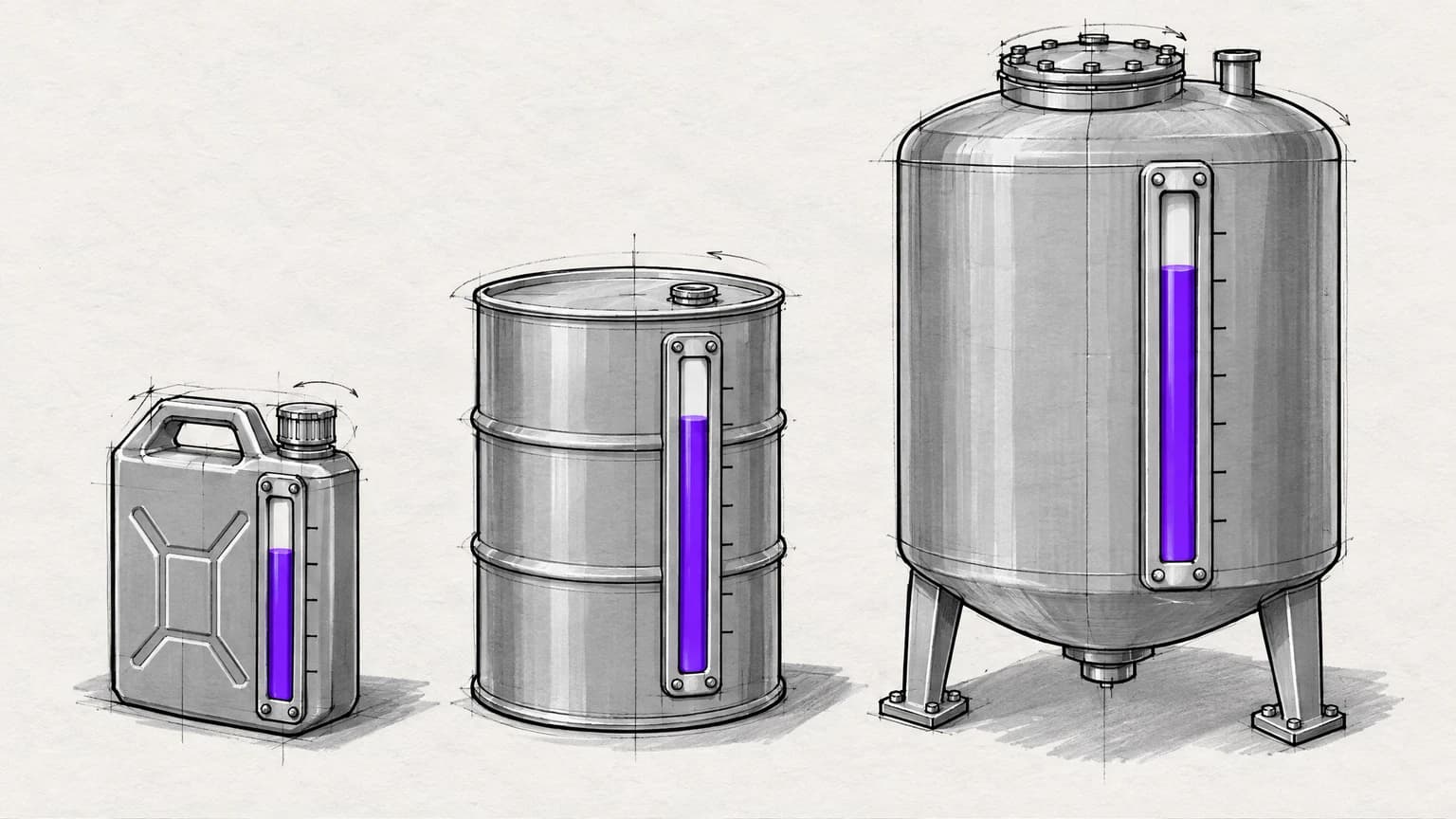
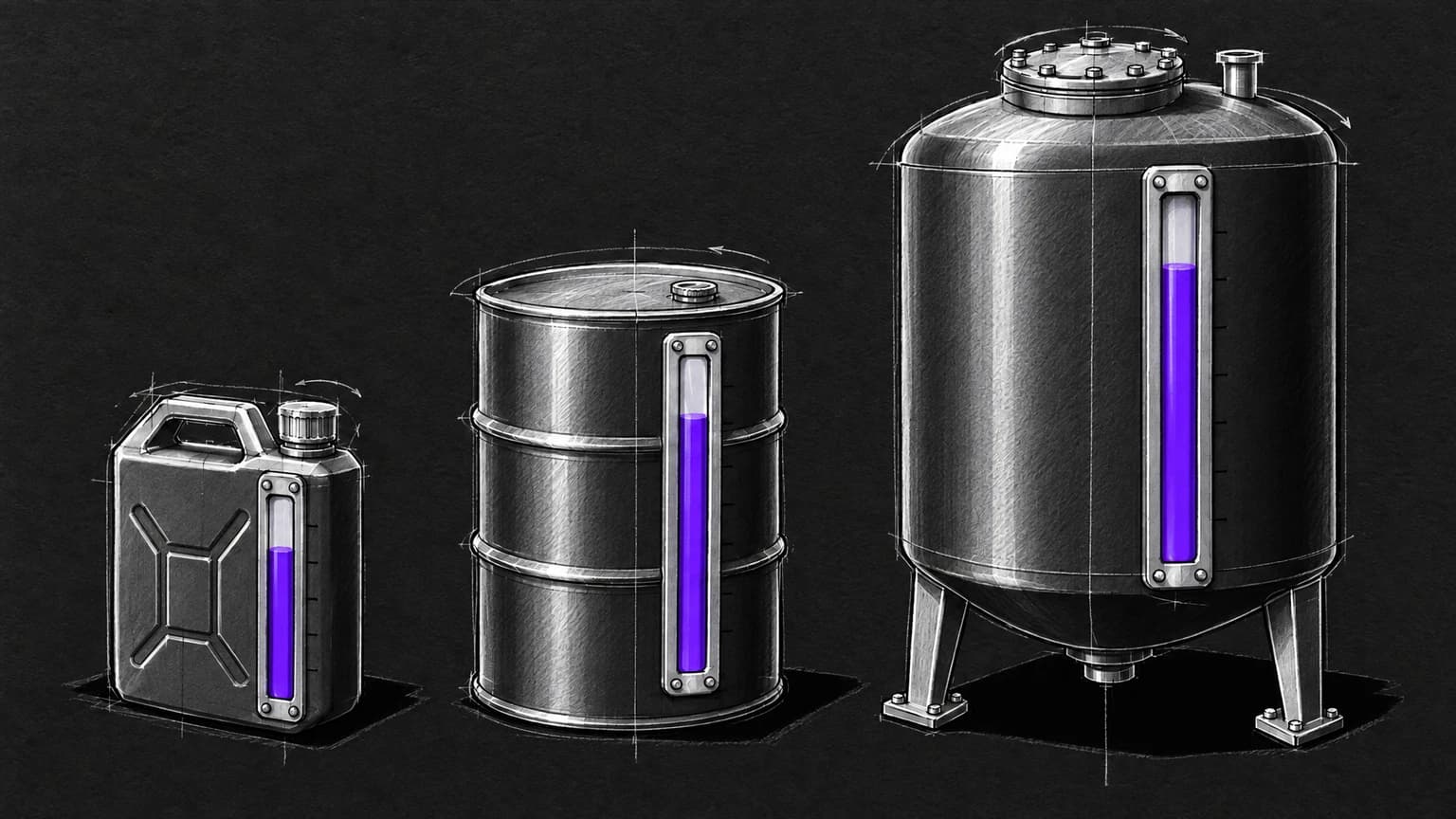
What fractional design leadership actually costs
Roughly $5k–$20k a month, and the spread has almost nothing to do with seniority. The published benchmarks quote an hourly rate — one of them built on zero job posts — which hides the only distinction that matters.
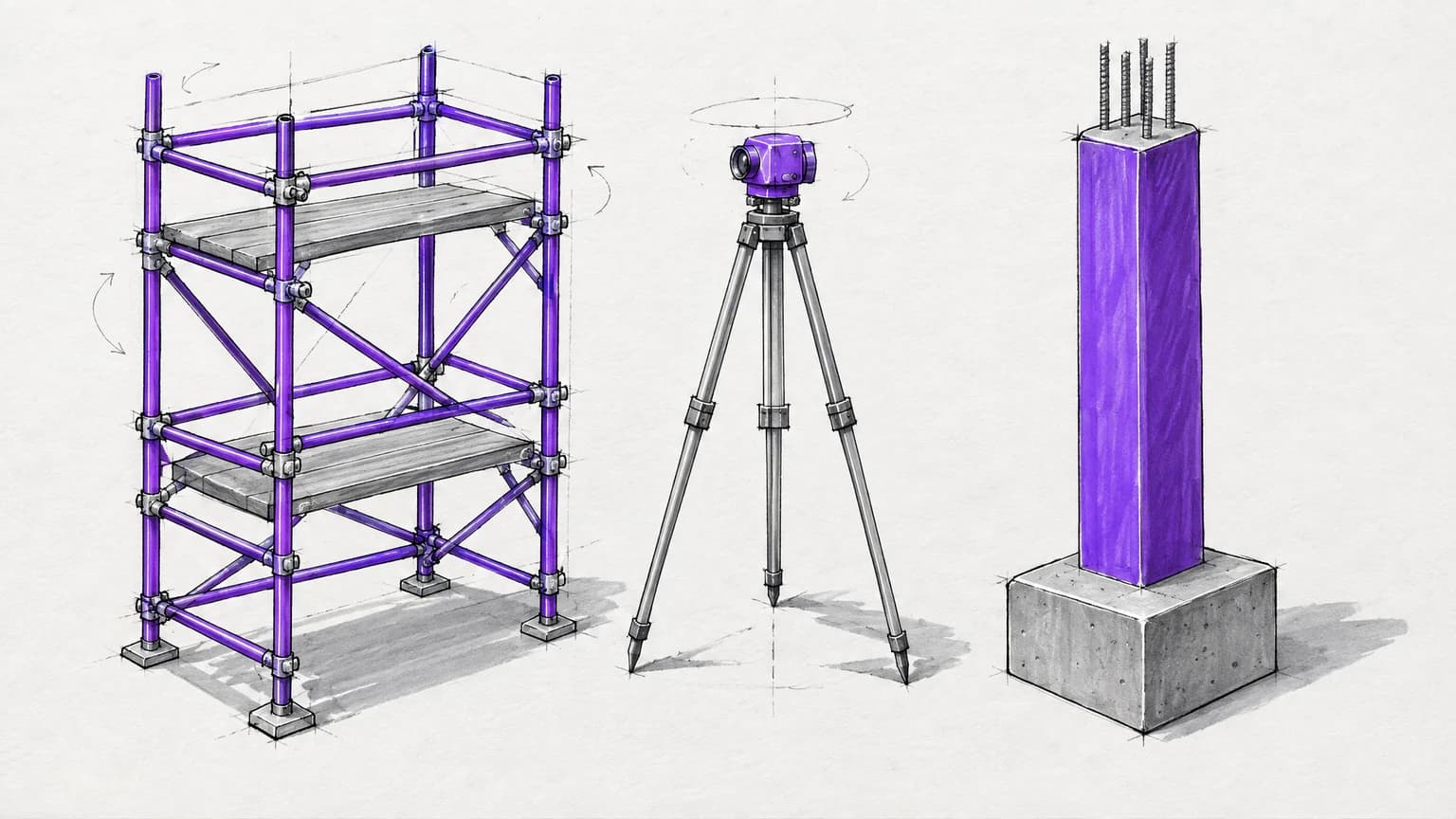
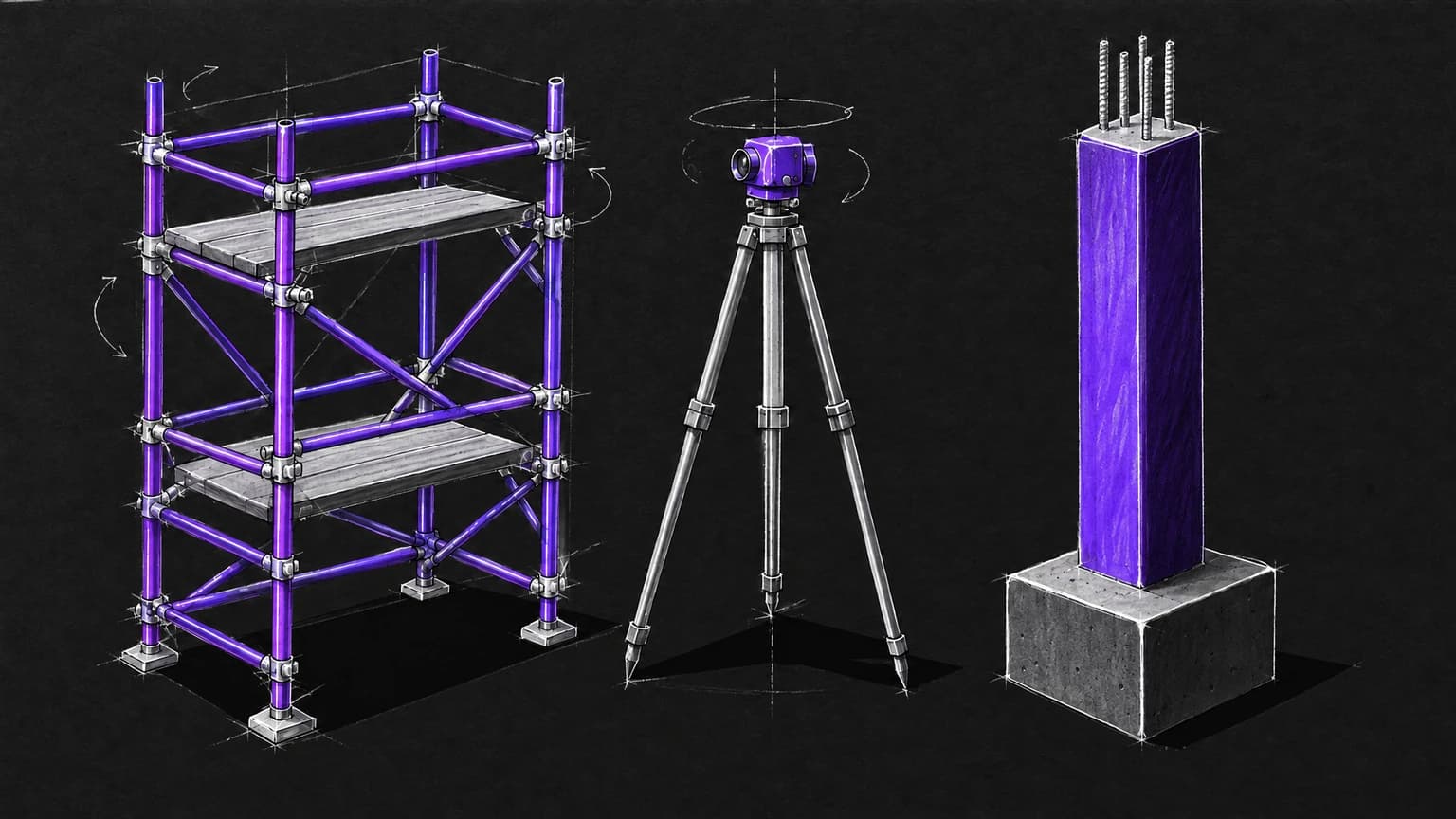
Hiring for AI product design: agency, fractional, or in-house
Search engines answer “who are the best AI product designers” with a list of agencies, then ask which of three things you actually want. That second question is the real one, and it gets answered badly.