AI transformation for design teams
I help design teams use AI for production work while strengthening the judgment that makes the work good.
That starts with a design system models can read, continues with workflows the team can run, and ends with evidence of what improved. I bring experience directing AI-driven design across more than fifty vertical SaaS products.
Or write to hello@product.inc.
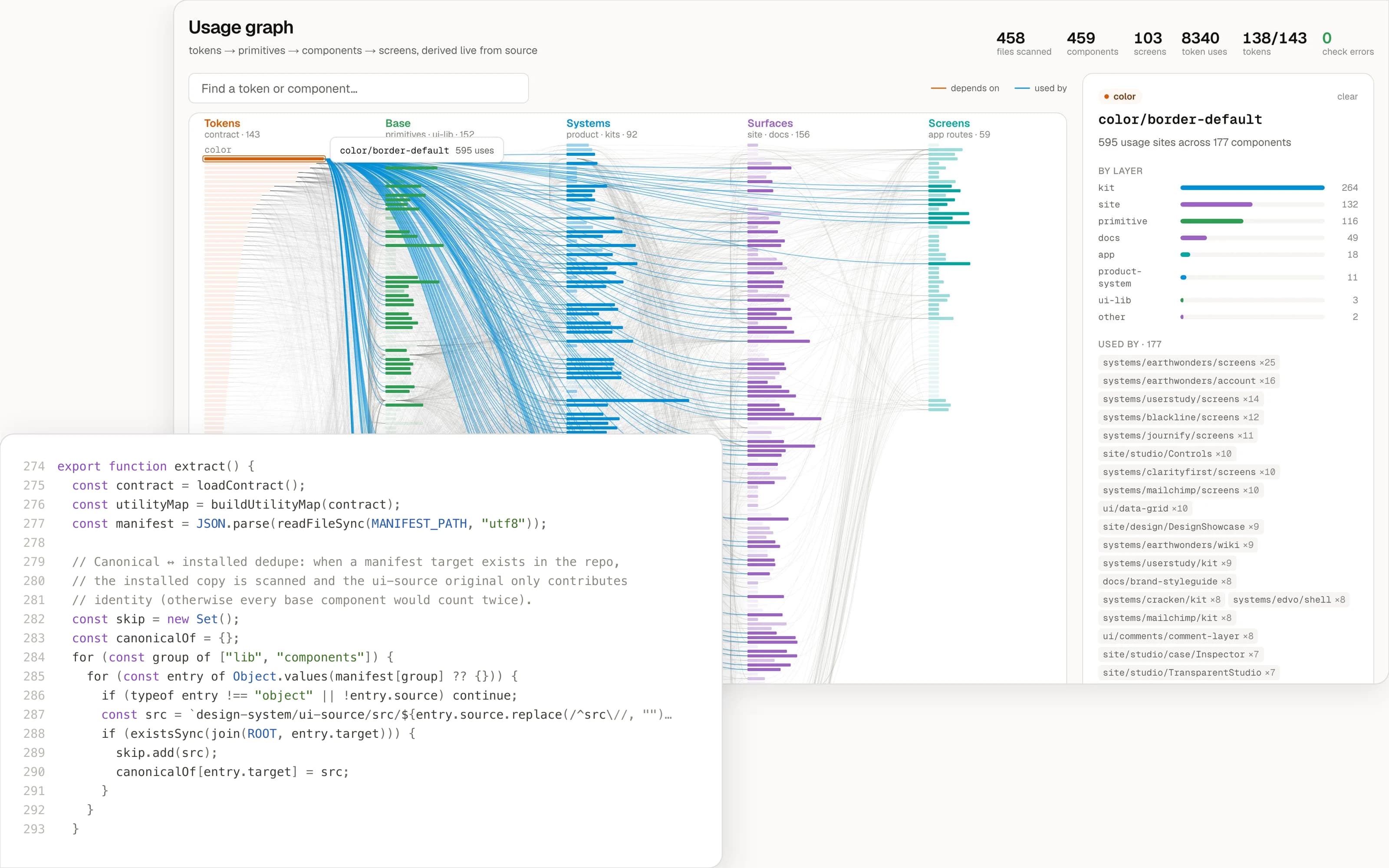
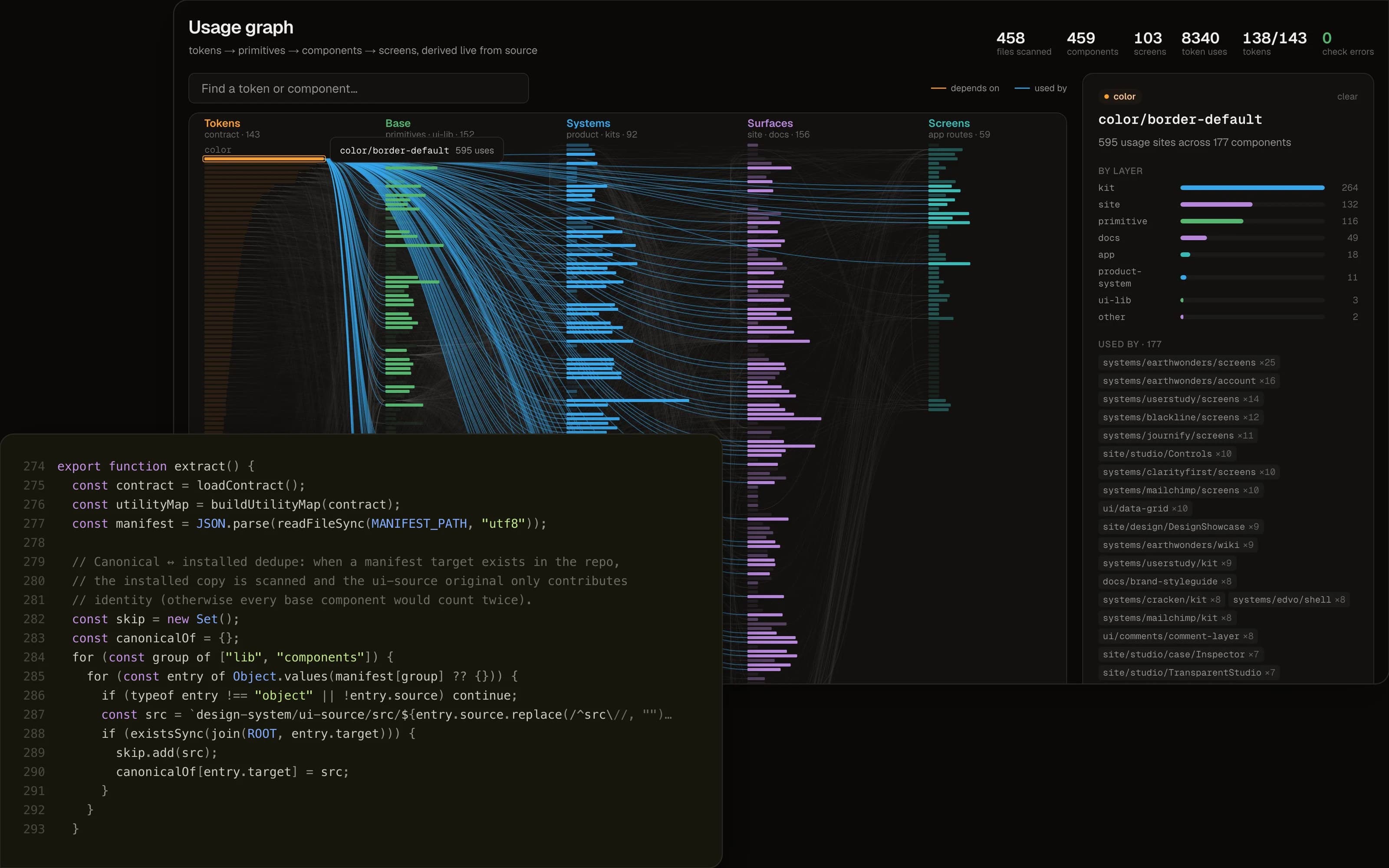
color/border-default—and all 595 places it appears.Start with the system
AI can produce more screens, faster. The team still has to define what those screens should do and how to judge them.
When a design system lives mainly in a design file and people’s heads, generation amplifies the gaps. Small inconsistencies spread, and nobody has a reliable way to measure them.
A system with a defined vocabulary gives the team control. On this site, each token is used in roughly sixty places. Change one token and the update reaches all sixty, with a single place to check the rule.
That’s why this work starts by counting: which tokens are used, where the product bypasses them, and which exceptions cause visible problems.
What your team leaves with
- 01
A defined design vocabulary
Colours, spacing, typography and radii expressed as named tokens in code, with a file-by-file record of where the product still steps outside the system.
- 02
Rules models can follow
Instructions stored alongside your code, backed by a check that can fail the build when generated work breaks the rules.
- 03
Two or three working AI workflows
These might include processing audit findings, checking the design system, recording a demo that detects product changes, or building a prototype from a written specification. Each workflow is tested against the same real cases after every change.
- 04
Clear ownership for designers
Defined responsibilities for specifications, design judgment and validation, supported by leveling that reflects the work.
- 05
A measured result
The original baseline repeated at the end, using the same checks, so you can see what changed.
How it works
Two fixed scopes, completed in sequence. The baseline stands on its own and provides the measures for the program.
- Baseline · 3 weeks
- Program · 12 weeks
- Retainer · monthly
- Count, map, audit, and write the planB1–B3
- Close the vocabularywk 1–4
- Rules and a check in the repositorywk 3–6
- Move two or three workflowswk 5–11
- Rewrite ownership and levelingwk 8–12
- Measure the baseline againwk 12
- Monthly session, the next workflowmonthly
- Re-run the baseline checksmonthly
Baseline
$0.0
Fixed scope · 2–3 weeks
We measure how much of the product uses the design system, map where design time goes, and run one findings pass on a real product using Claude.
You receive the results and a written plan. Both are yours whether or not we continue, and if you book the program within 60 days the whole fee counts toward it.
Program
$0
Fixed scope · 12 weeks · per product group
We complete the system’s vocabulary, make it readable to the models your team uses, and move two or three production workflows onto it. Each workflow is checked against a fixed set of real cases.
The program includes a weekly working session and async support between sessions. We finish by repeating the baseline.
Retainer
$0
Per month · after the program
A monthly working session, the baseline checks run again each month, and help moving the next workflow onto the system. Three months minimum.
For someone owning the design direction, the fractional engagement on the rate card.
The first two programs are $36K for teams that agree to let me publish their before-and-after numbers.
After the program, your team runs the system and workflows. For ongoing design direction, fractional and advisory engagements are available on the rate card.
For portfolios of products
For holding companies, PE-backed portfolios and businesses grown through acquisition, the program also works across products: shared token names, values each product chooses, and one check across the portfolio.
Where this comes from
In my day job at Banyan Software, I direct AI-driven design across more than fifty vertical SaaS products. Before that, I grew TheoremOne’s design team from ten to more than fifty and co-led the merger of two design teams into a 200-person practice at Monks.
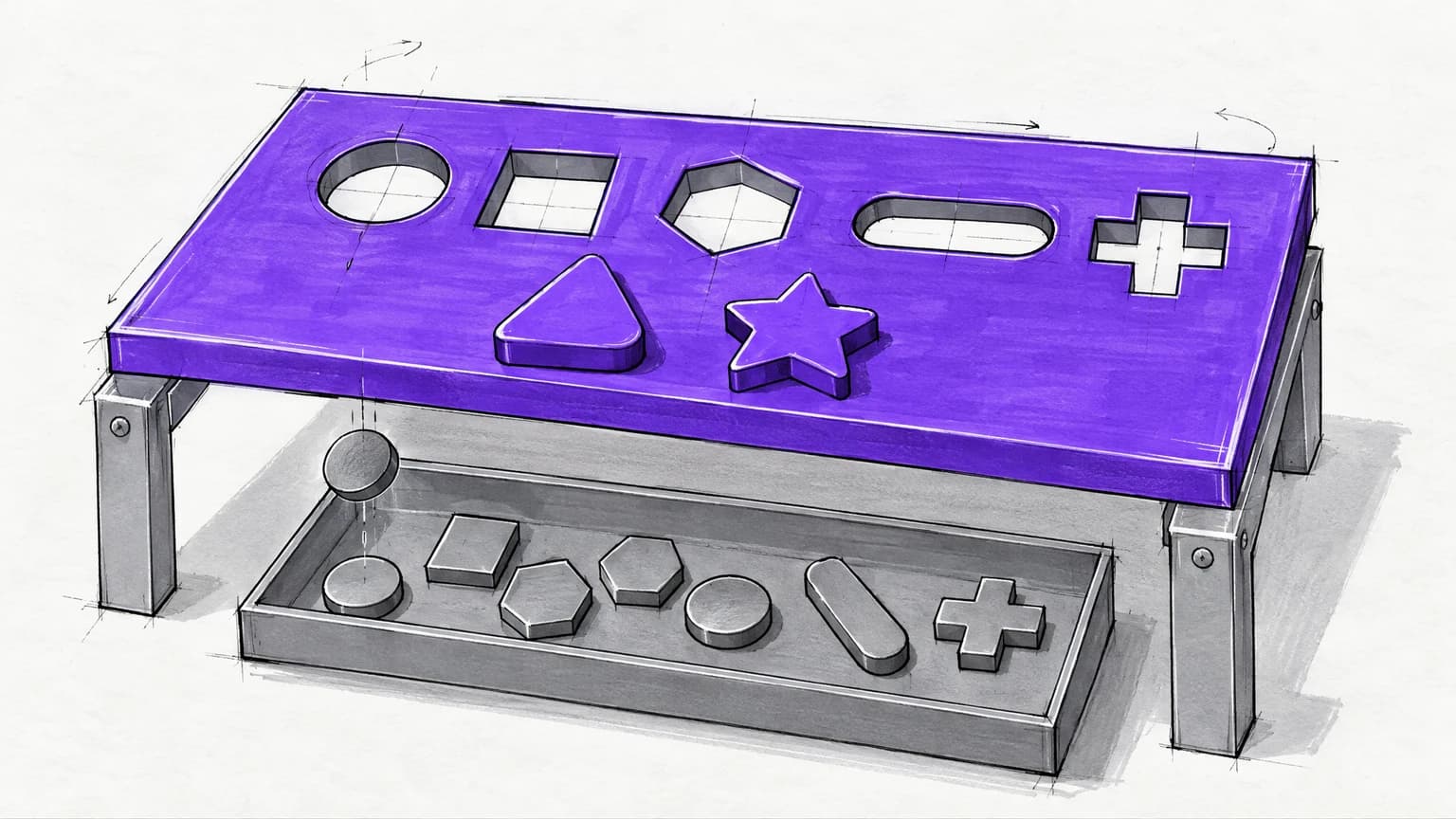
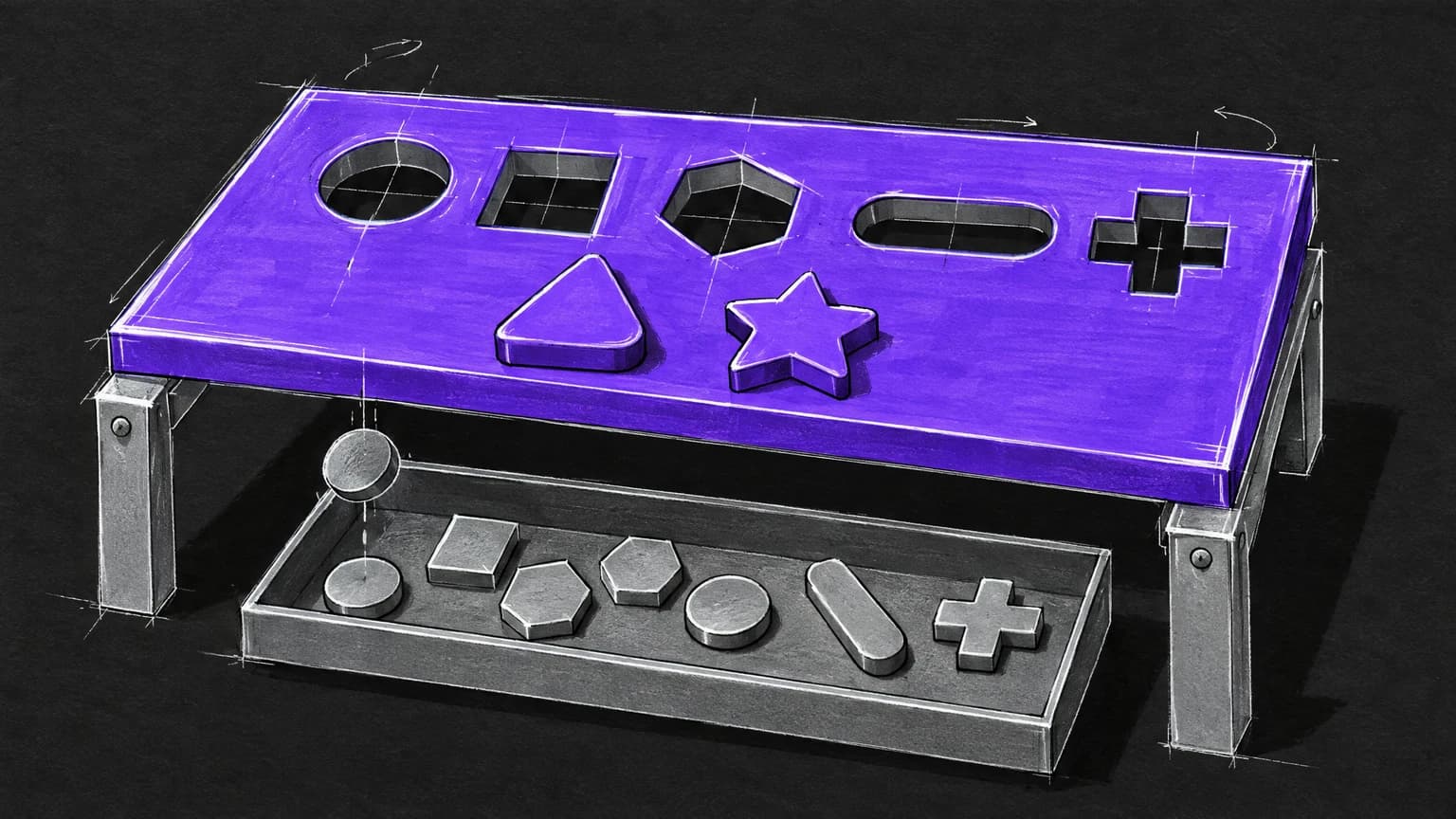
Why generation touches tokens, never screens
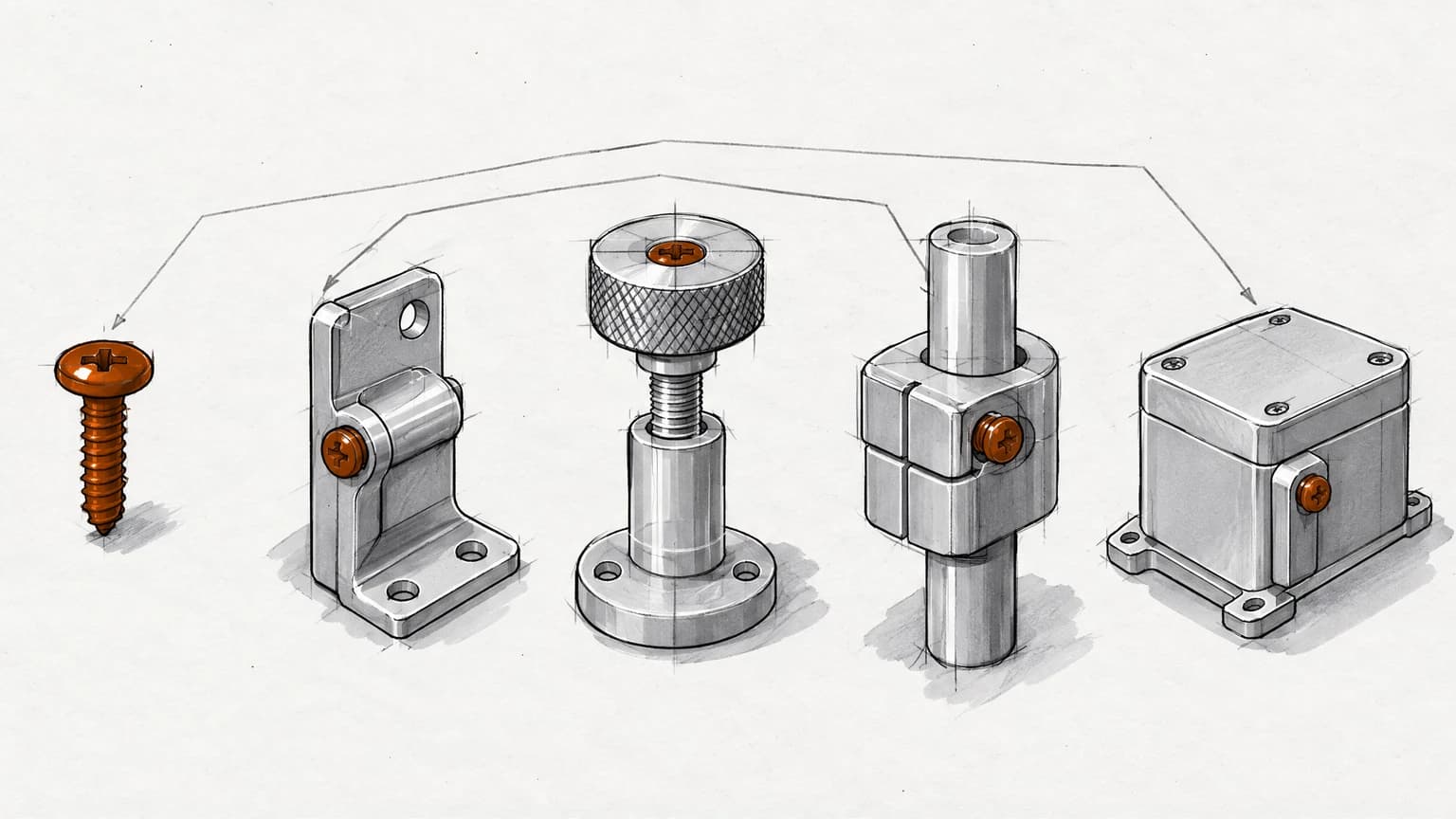
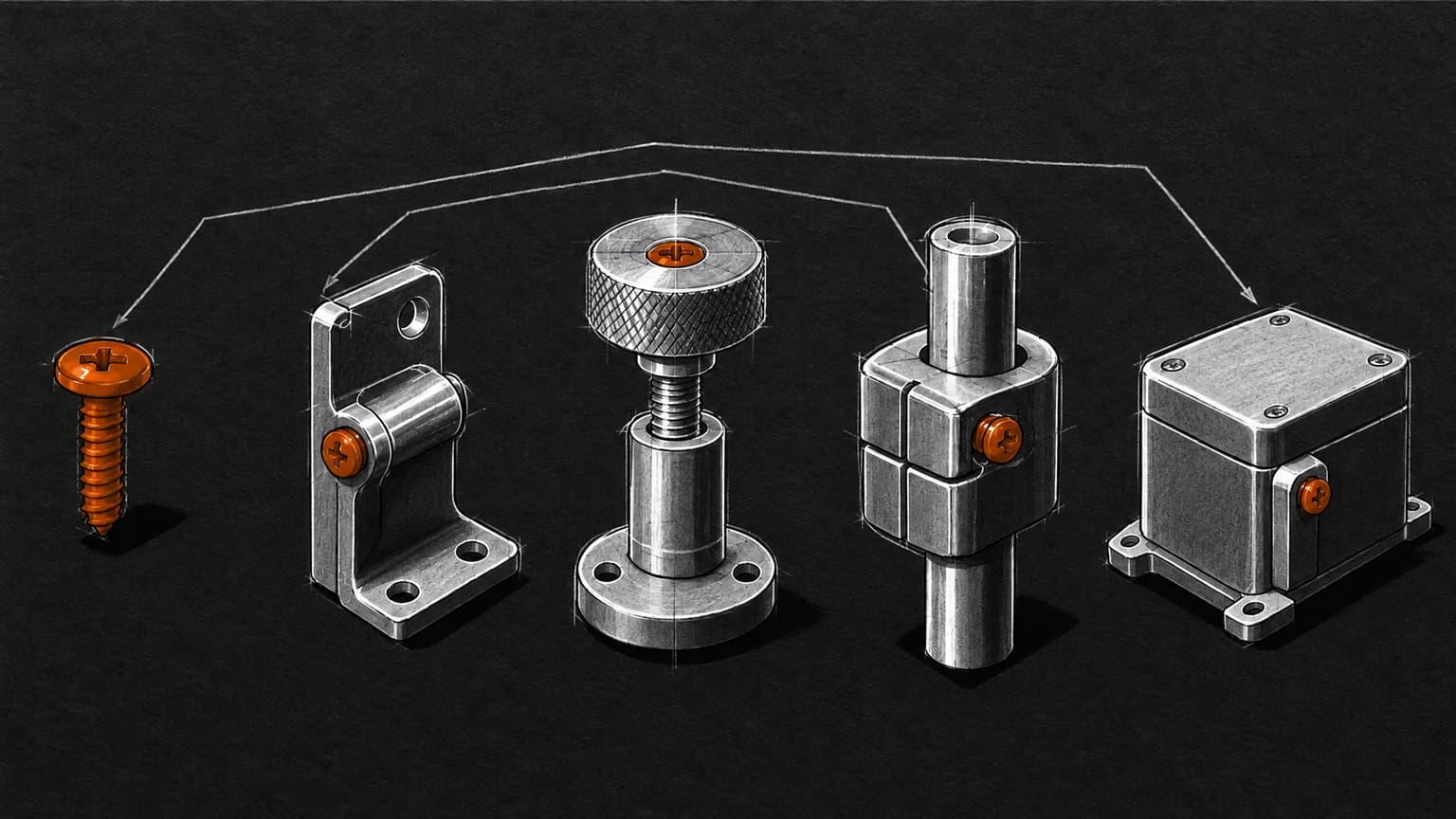
How changes at the token layer reach many parts of a product and remain verifiable in one place.
Checking a design system with Claude
How to measure token usage, exceptions and visible errors—and why a defined vocabulary makes those counts reliable.
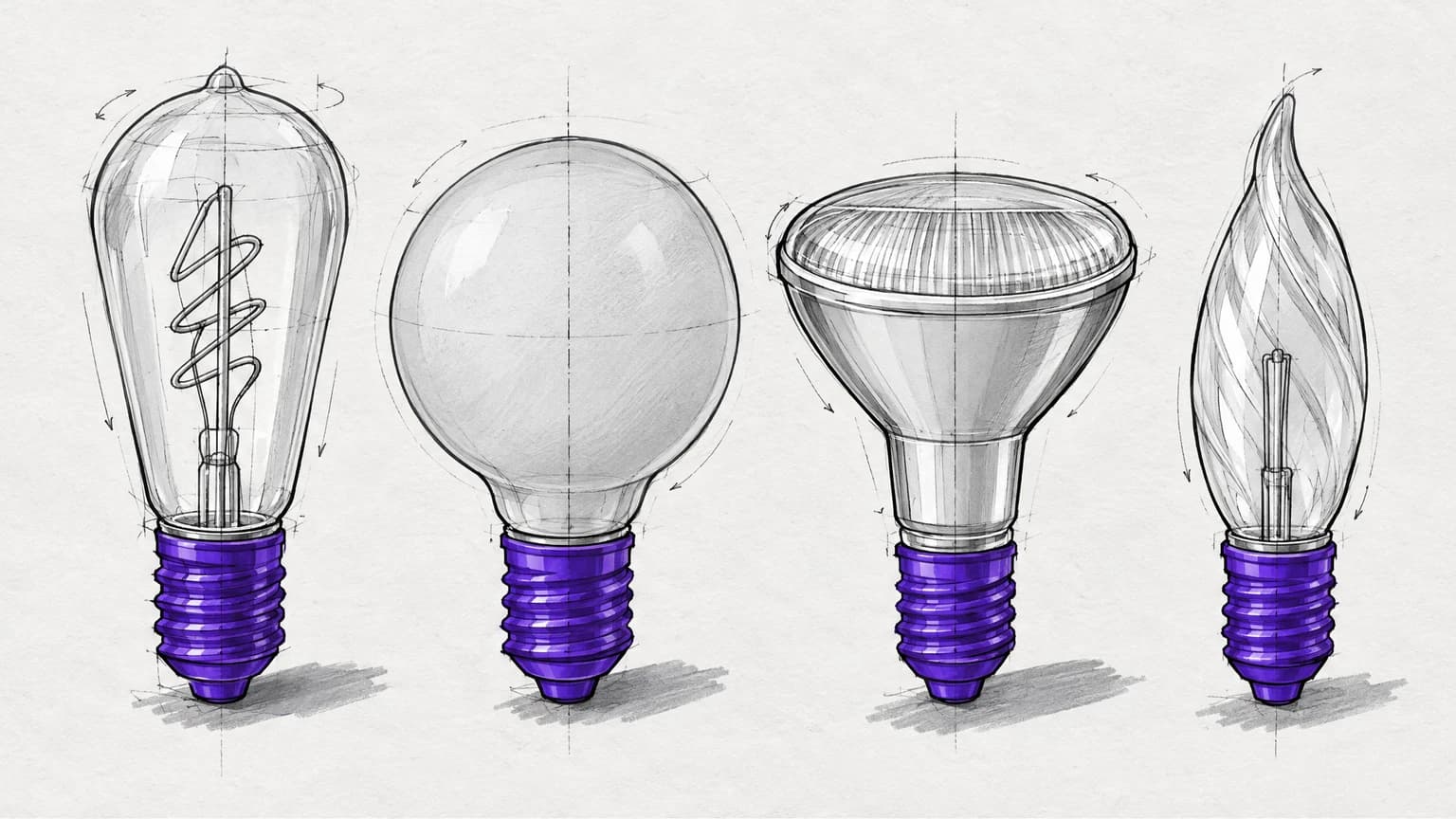
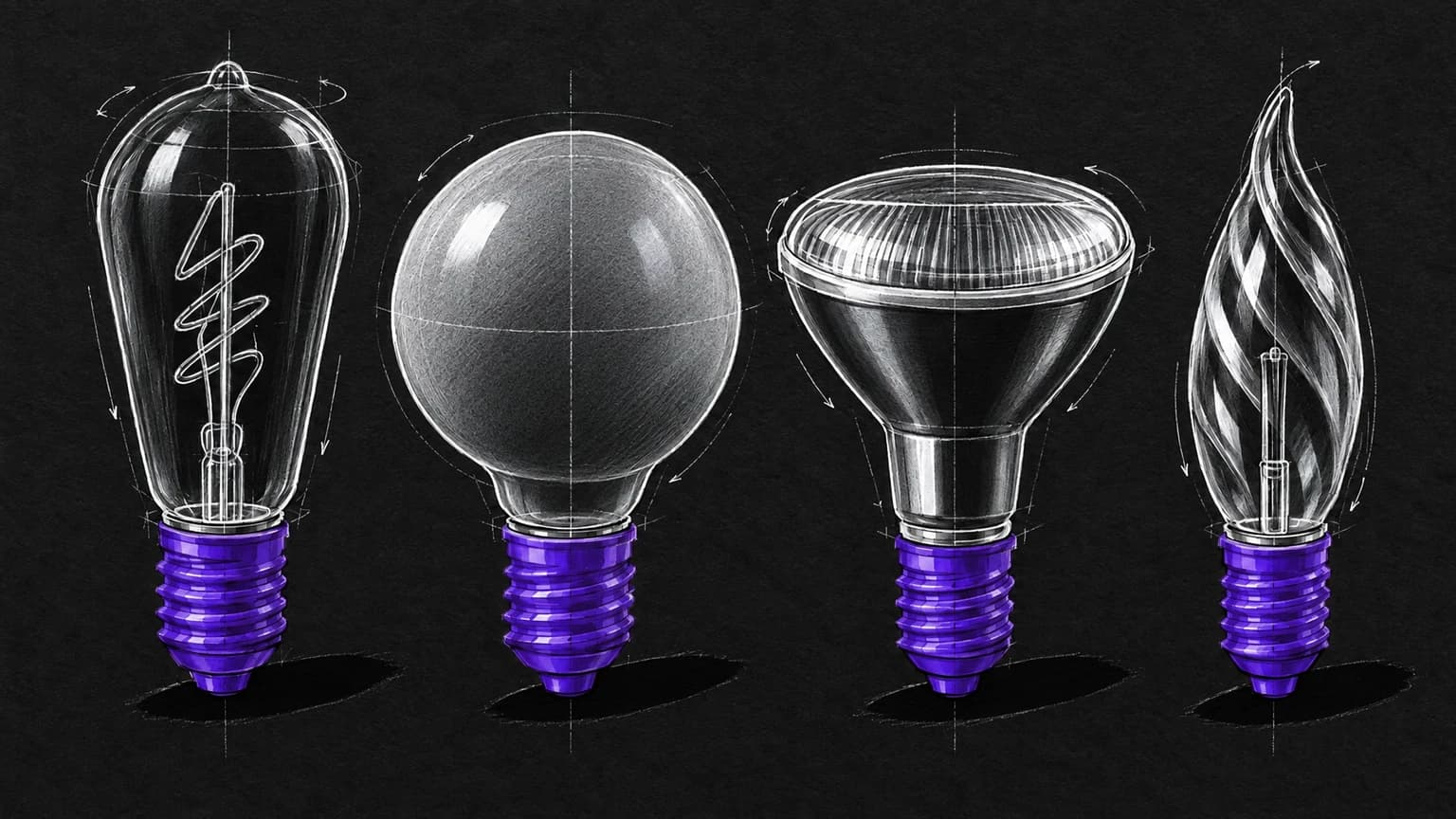
What to standardize across a software portfolio, and what to leave alone
How shared token names support consistency while allowing each product to choose its own values.
When another engagement fits better
- A tool rollout
- An enablement vendor
- An AI strategy deck
- A strategy firm
- A team under five designers
- A fractional design lead
Questions
Roughly five to fifty designers. For larger teams, the program runs one product group at a time.
Yes, if your interface is built from code in a repository: a web framework such as React or Vue, plain CSS, or a native app.
The tokens become variables your code already reads, and the checks run in your CI alongside your tests.
Yes. I can help turn it into a system in code that models can read and use. The baseline establishes what’s needed and whether that work fits within the program or needs a longer engagement.
Where possible, the tools your team already pays for. My own work uses Claude Code and Codex.
The rules and workflows remain in your repository as plain text, so you can adapt them when you change models.
A design lead who owns the change, an engineer for a few hours each week, and one real product to measure.
Engineering involvement matters because the design tokens and checks live in code.
The work runs in your accounts under your agreements with model providers. Your data only goes to models you have approved.
It changes how designers spend their time: less screen production, more defining what the system should produce and evaluating the result.
Headcount decisions remain yours. If reducing headcount is a goal, we should discuss it at the start because it affects which workflows we prioritize.
Yes. Try a free Claude skill on your product and bring the results, or book an hour at the ad-hoc rate listed on the rate card.
Get in touch
Tell me how many designers are on your team, where your design system lives, and what you’ve tried so far.
I’ll tell you whether this fits and, if another approach makes more sense, point you toward it.